
Air Pollution in India: What Breathing Really Feels Like in 2025 When Clean Air Is No Longer Guaranteed
Air We Live In
 IN
Thu, Oct 15, 2026 | 09:56 PM IST
IN
Thu, Oct 15, 2026 | 09:56 PM IST

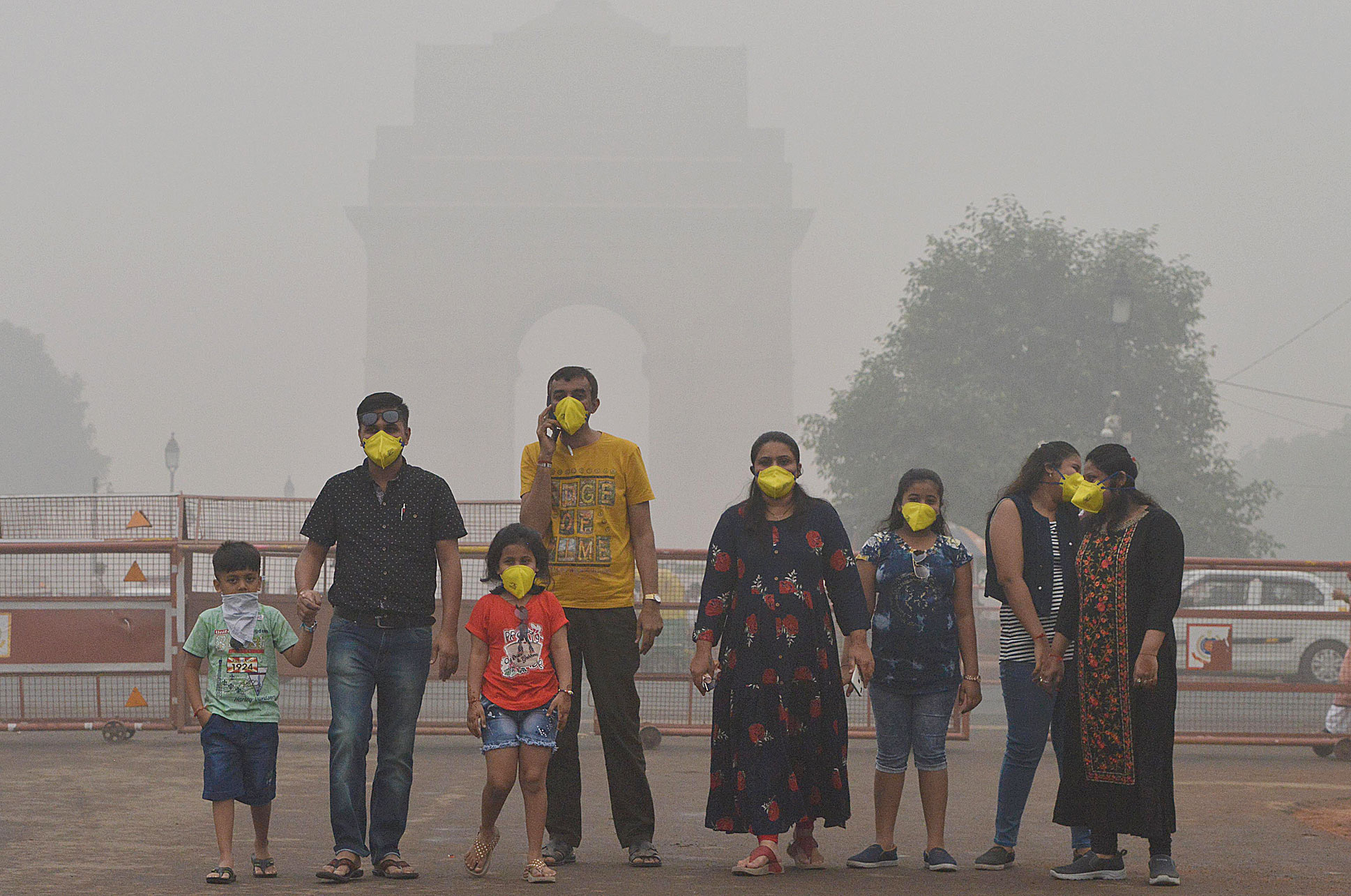
There was a time when air pollution felt like a seasonal inconvenience. A bad week in winter. A few days of haze. In 2025, that feeling is gone. Poor air has become a constant presence, something people plan around rather than react to.
I notice it in small, ordinary ways. Morning walks cut short. Windows kept shut longer than they should be. That faint irritation in the throat that no one talks about anymore because it has become normal. Conversations about pollution no longer sound urgent they sound tired.
The data confirms what our lungs already know. Air Pollution in India is no longer limited to a few hotspots or months. It has settled into daily life.
When people talk about air quality today, they often mention the Air Quality Index in India, as if a number alone can explain how it feels to breathe. But numbers don’t capture hesitation the pause before stepping outside, the calculation of whether today is a “safe” day or not.
Delhi is still where the problem feels most overwhelming. Anyone who has lived there knows that pollution is not just visible - it is personal. air pollution in Delhi is no longer shocking; it is expected. The familiar cycle of warnings, restrictions, and temporary measures repeats every year, while the baseline keeps getting worse. The phrase AQI Delhi NCR has become part of everyday vocabulary, spoken with resignation rather than alarm.
Mumbai’s story is quieter but just as worrying. The city rarely makes global headlines for pollution, yet the steady rise in the air quality index Mumbai reflects how traffic, construction, and coastal humidity trap pollutants. The air doesn’t choke, but it weighs.
Bengaluru often surprises people. Once known for its cleaner air, the slow climb in Bengaluru AQI feels like a warning sign that growth without planning always leaves a trace. More vehicles, more buildings, fewer open spaces - the pattern is familiar.
Cities outside the spotlight matter too. Lucknow AQI readings regularly drift into unhealthy territory, though they rarely spark national conversation. Chennai AQI numbers remain lower than many northern cities, but they no longer offer comfort. Even Kolkata: AQI shows that dense population and industry create challenges that don’t disappear quietly.
The causes of air pollution are well documented, yet action feels fragmented. Vehicle emissions, construction dust, industrial output, waste burning none of these are new. What has changed is scale. Cities have grown faster than systems meant to protect them.
What frustrates me most is how often pollution is treated as an emergency instead of a condition. Emergency responses arrive when the air becomes unbearable, but long-term planning rarely follows. We react, we don’t prevent.
There is also a sense that responsibility is always elsewhere. Someone else’s vehicles. Someone else’s industry. Someone else’s city. Pollution crosses borders easily; solutions rarely do.
Did air quality improve or worsen? A quick look at three cities (2020 vs 2025):
|
City |
2020 AQI |
2025 AQI |
Trend |
|
Delhi |
202 |
282 |
Worse |
|
Mumbai |
93 |
118 |
Worse |
|
Bengaluru |
67 |
84 |
Slightly Worse |
The worsening trend in air pollution in Delhi is the most dramatic. Seasonal smog episodes have grown longer, and clean-air windows have become shorter.
Mumbai’s rising AQI reflects growing congestion and coastal humidity trapping pollutants. Bengaluru’s increase, though smaller, raises concerns because the city was once considered relatively clean.
Perhaps the most unsettling change is how people have adapted. Children know what AQI means before they understand what clean air feels like. Masks are carried “just in case.” Air purifiers sit beside beds like necessary furniture.
This quiet adjustment worries me more than the data itself. When discomfort becomes routine, urgency fades. Poor air stops being unacceptable and starts being tolerated.
Real improvement will not come from temporary bans or short-term restrictions. It will come from choices that feel boring because they require patience: better public transport, cleaner energy, stricter enforcement that doesn’t fade with headlines, and urban design that values space as much as speed.
Most importantly, it will require honesty. We cannot keep pretending that pollution is someone else’s problem or a future issue. It is here, now, and shared.
At The United Indian, we believe environmental stories should reflect lived experience, not just data. Air quality is not an abstract metric - it is something people breathe every day.
Breathing should not feel like a compromise. Yet in 2025, it often does. Data tells us what is worsening, but experience tells us what is being lost. Until clean air is treated as essential rather than optional, numbers will continue to rise while comfort quietly disappears.
Everything you need to know
Because pollution builds up over time. Even if one day’s AQI is slightly lower, constant exposure over weeks or months makes breathing feel heavier and more uncomfortable.
In winter, cold air traps pollutants close to the ground. In summer, heat, dust, and vehicle emissions combine with weak winds. Different seasons, same problem - polluted air doesn’t disperse easily.
Rapid urban growth, more vehicles, construction dust, and shrinking green spaces have affected many cities. Pollution is no longer limited to a few metros; it’s spreading with development.
Individuals can’t fix the problem alone, but they can reduce exposure by avoiding peak pollution hours, using masks when needed, and supporting cleaner transport options. Small choices still matter for health.
It’s a long-term risk. Continuous exposure affects lungs, heart health, and overall life expectancy. That’s why air quality is increasingly seen as a public health issue, not just an environmental one.


Oct 15, 2026
TUI Staff
Oct 15, 2026
TUI Staff
Oct 14, 2026
TUI Staff
Oct 15, 2026
TUI Staff
Oct 15, 2026
TUI Staff
Oct 15, 2026
TUI Staff
Oct 14, 2026
TUI Staff

Stay informed with independent, fact-checked journalism on technology, environment, government, economy and more. India’s most trusted digital news platform.


Comments (0)
Be the first to comment!