
Delhi AQI Today: Slight Improvement, But the Air Remains Chokingly Toxic
Breathing Through Smoke
 IN
Wed, Aug 26, 2026 | 01:22 PM IST
IN
Wed, Aug 26, 2026 | 01:22 PM IST

For a city that has learned to live with the smell of smoke, even a tiny drop in the numbers feels like an event. The Delhi AQI today slipped just enough for a few stations to show “very poor” instead of “severe,” but the air didn’t turn cleaner it only pretended to. The sky looked faintly brighter in the morning, yet every breath still carried that sting which has become Delhi’s seasonal signature.
The Central Pollution Control Board’s data tells a careful story. Some pockets recorded a dip from 440 to just under 400, a sign that wind movement picked up through the night. Still, most areas of the Delhi air quality index stayed in the red zone, with Anand Vihar, Jahangirpuri, and RK Puram choking well above 410. At Lodhi Road, the graph dipped but not enough for comfort. Residents say they don’t need a number to know how bad it is; their throats, eyes, and balconies coated in dust are proof enough.
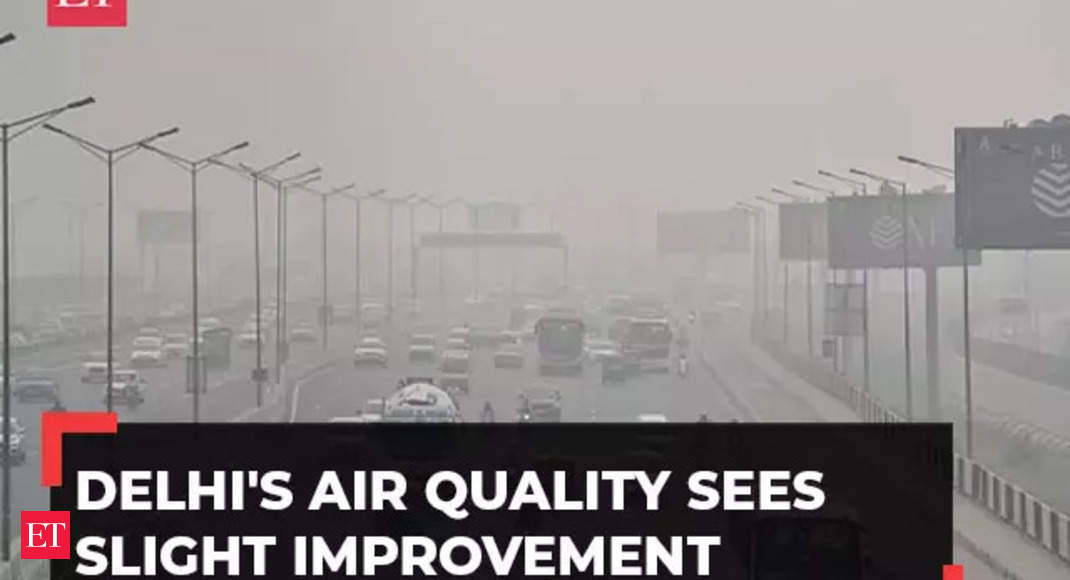
Morning commuters squinted through the haze, traffic lights barely visible beyond a few car lengths. Even as the Delhi AQI showed mild recovery, the air felt like a slow poison - invisible yet constant. SAFAR scientists said that while wind speed had helped disperse a bit of particulate matter, the mix of crop-burning smoke, vehicle emissions, and urban dust remains unchanged.
“For one thing, the city’s air looks better only on paper,” said an official from the National Testing Agency. “In real terms, it’s still ten times more toxic than what’s considered safe.” The particles of PM2.5 stay lodged deep in the lungs, turning every morning walk into an avoidable risk. Doctors warn that even a short jog in these conditions could harm the heart and lungs.
The Delhi government has, for now, resisted invoking Stage 3 of GRAP, the emergency plan that shuts down construction and bans entry of heavy vehicles. Officials say they are watching the air quality index New Delhi closely, hoping the current winds will hold long enough to avoid a full-scale clampdown.
For daily wage workers at construction sites, this temporary reprieve means another few days of work. Yet authorities are wary. If the AQI Delhi numbers climb again, the order could come overnight. “The city is on standby,” a DPCC officer said. “We’re not safe yet just waiting to see which way the wind blows.”
Satellite data shows that Punjab and Haryana continue to report fresh farm fires as the harvesting season winds down. In just three days, over 600 incidents have been detected. The smoke from these fires, pushed by gentle north-westerly winds, reaches the capital within hours.
Meteorologists say a western disturbance might bring light rain early next week, offering brief relief. But as they point out, drizzle can only settle the dust temporarily. Without strong, sustained winds, the Delhi AQI today could spike again the moment stubble smoke thickens.
Delhi has settled into its familiar routine of caution and resignation. Morning schools have suspended outdoor games, and joggers have traded the park for indoor treadmills. The city’s skyline, usually dull by November, now looks ghostly - as if a filter has been placed permanently over it.
In markets, masks have quietly returned. Chemists report rising demand for anti-allergy tablets and inhalers. One pharmacist in Karol Bagh said he hasn’t seen such demand since the pandemic years. “People don’t panic anymore; they just buy and move on,” he said, shrugging. It’s an acceptance that’s perhaps more worrying than the pollution itself.
Hospitals across NCR have seen an increase in cases of coughing, wheezing, and throat infections. According to doctors, even short exposure in these conditions can be harmful. “It’s not just the elderly,” said Dr. Arvind Kumar from Medanta. “Young, healthy people are showing early signs of lung stress.”
Citizens have been advised to avoid long outdoor hours, keep windows closed, and wear N95 masks when stepping out. Health experts also suggest staying hydrated, avoiding heavy exercise outdoors, and keeping air purifiers running during nights.
Municipal bodies have increased sprinkling of treated water on roads and deployed additional mechanical sweepers. Smog guns have been stationed at busy junctions. Construction sites have been asked to use anti-dust nets and follow safety norms strictly.
Still, critics argue this is the same yearly cycle - reactive measures when the damage is already done. “These actions look good in photos but they’re temporary,” said an environmentalist. “Until we fix crop waste management, vehicular emissions, and fuel quality, Delhi will keep gasping.”
Even officials quietly agree that air management can’t be seasonal. What Delhi really needs is a year-round strategy that extends beyond state borders.
As The United Indian observes, Delhi AQI today might be a little lower, but the air still stings the same. This city, home to millions, continues to live inside its own haze. The question isn’t just about what number the monitors display - it’s whether the capital will ever see a blue sky that lasts more than a day.
There’s a strange silence that hangs over Delhi when the wind dies down - part resignation, part defiance. Maybe the next breeze will carry relief; maybe it’ll carry more smoke. For now, Delhi waits, breathes carefully, and hopes the air will one day remember how to be kind.
Everything you need to know
Most monitoring stations show AQI between 390 and 420, with a few central zones doing slightly better. That still falls in the “severe” or “very poor” range, meaning unsafe for everyone.
Because wind doesn’t remove the source. Vehicle exhaust, road dust, and crop-burning smoke continue feeding the pollution load. A few hours of breeze can’t erase weeks of accumulation.
They help to some extent. GRAP reduces dust and vehicular load temporarily, but it’s more like a bandage. The root problem lies beyond city borders, where stubble burning keeps adding smoke to the mix.
Avoid going out early morning and late evening. Use N95 masks, air purifiers indoors, and stay hydrated. Those with asthma or heart problems should keep medication handy.
If the predicted western disturbance brings light rain, there might be slight improvement. True relief, however, usually comes only when winter deepens and farm fires stop completely.


Aug 26, 2026
TUI Staff
Aug 25, 2026
TUI Staff
Aug 25, 2026
TUI Staff
Aug 25, 2026
TUI Staff
Aug 26, 2026
TUI Staff
Aug 25, 2026
TUI Staff
Aug 25, 2026
TUI Staff
Aug 25, 2026
TUI Staff

Stay informed with independent, fact-checked journalism on technology, environment, government, economy and more. India’s most trusted digital news platform.


Comments (0)
Be the first to comment!