
Delhi Dehradun Expressway: How Close Are We to a Faster, Safer Highway That Ends the 6-Hour Grind?
Faster Roads Ahead
 IN
Thu, Jun 25, 2026 | 02:32 AM IST
IN
Thu, Jun 25, 2026 | 02:32 AM IST

The Delhi Dehradun expressway has quietly become one of those projects people mention in conversations whenever weekend plans come up. Anyone who has driven the current route knows how unpredictable the journey can get. One day it’s smooth, the next day you’re stuck behind miles of trucks near Khatauli or Roorkee with no idea when you’ll reach the hills.
This new 210-km expressway is meant to take that unpredictability out of the equation. It’s being built as a controlled-access highway, which means fewer interruptions, fewer choke points and a much more stable driving experience. For travellers who make the Delhi–Dehradun run often, this alone changes a lot.
The plan isn’t just to lay a faster road. Engineers working on the corridor say the design focuses heavily on long-term consistency - wide lanes, safer curves, and a driving layout that doesn’t force the constant stop-and-go rhythm people are used to on the current route.
On the Uttarakhand side, a long tunnel is being constructed before the city’s entry point. The idea is simple: avoid the narrow forest-side roads and create a safer, quicker approach. Tunnels of this scale take time, but they also carry the promise of more stable travel in monsoon months when landslides usually slow movement around Dehradun.
Anyone who has made this journey knows that the actual distance has never been the issue. The delays come from the towns along the way. Slow vehicles mixing with long-haul trucks often stretch the trip far beyond what it should ideally take.
Once the expressway becomes fully operational, the run between Delhi and Dehradun - which shifts between five and seven hours depending on luck - is expected to drop significantly. Even more important than speed is predictability. People will know, more or less, how long the journey will take, which is not something drivers can confidently say today.
Whenever a major expressway is built, the benefits rarely stay limited to travellers alone. Movement of goods becomes easier. Small markets near exits tend to grow. Hotel and Dhaba clusters come up. Local transport networks also catch some of the growth.
The stretch between Western UP and Uttarakhand already has a strong tourism flow. With better access, businesses expect sharper growth in hospitality and logistics. Better connectivity also improves opportunities for people who travel regularly for work, especially because Dehradun has become a major education and administrative hub.
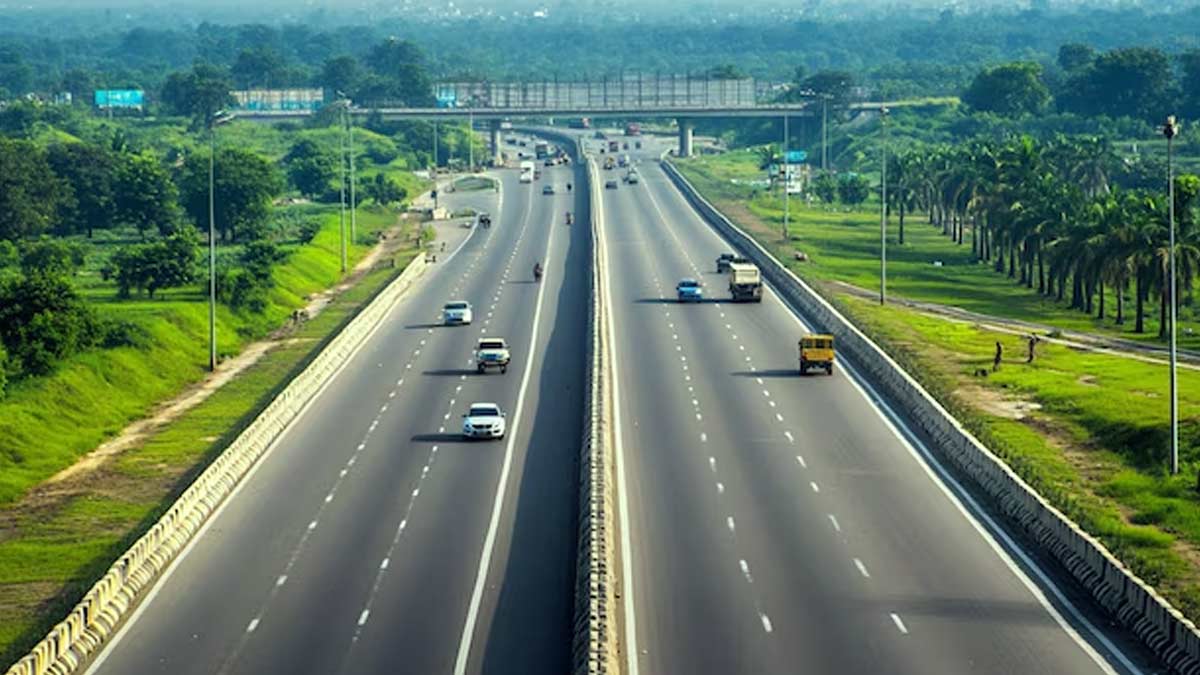
This is the question most people ask. Officials continue to say that the expressway will open in phases, and that the final date depends on the tunnel work as well as certain sensitive stretches. Those two pockets need careful construction and final tests before the project can be declared safe for full traffic.
Still, visible signs of progress along parts of the corridor have made people optimistic. Some travellers have already spotted elevated structures and finished segments near the outskirts of NCR, increasing speculation about the Delhi Dehradun expressway opening date.
Anyone driving today must pass through stretches that are heavily used by local commuters. It slows down the journey and adds fatigue. The Delhi to Dehradun expressway completely bypasses these zones. The purpose is not just speed - it's lesser wear on vehicles, safer movement, and a calmer driving environment for long trips.
There’s also the element of season-specific convenience. In winters, when fog and traffic mix and slow down highways across NCR and Western UP, having a controlled corridor with fewer unpredictable interruptions makes travel less stressful.
Once the expressway opens, the Delhi-Dehradun link will look very different from today. Families heading for the hills, office travellers, delivery vehicles and tourists will all experience a smoother flow. It also reflects how India’s road network is shifting - from patchwork highways to long, uninterrupted stretches that connect major cities directly.
For Uttarakhand, this corridor may eventually become the backbone of its tourism economy. For Delhi, it means one more high-speed connection to a key neighbouring region.
At The United Indian, we see the expressway as more than cold numbers on an infrastructure chart. It feels like a shift in how the region thinks about travel. When a highway shortens distance, it also brings people closer - families planning last-minute trips, students travelling home more often, and businesses working without guessing travel delays.
The Delhi Dehradun expressway reflects a broader idea: that good infrastructure is not only about building roads but about improving how people live around those roads. It promises fewer hours behind the wheel, safer journeys, and better access for communities that rely heavily on tourism and trade.
Sometimes progress looks like steel, asphalt and a long corridor stretching across districts. But behind that, it carries something softer - time saved, stress reduced, and opportunities expanded.
Everything you need to know
The Centre confirmed that the review of basic pay, DA structure and related allowances has formally begun, giving employees clarity on the commission’s progress.
No immediate hike is confirmed. The update only signals that the evaluation phase is active, and any salary revision will come after the full report is finalised.
It’s under consideration, but not confirmed. The topic is now part of the formal review, which means it will be analysed before final recommendations are drafted.
If changes are made to DA rules or the basic pay framework, pension formulas may shift too, so retirees are closely tracking every step of the commission process.
There’s no fixed date yet, but the update shows the commission is working as scheduled, with recommendations expected only after the full assessment cycle ends.


Jun 24, 2026
TUI Staff
Jun 20, 2026
TUI Staff
Jun 20, 2026
TUI Staff
Jun 17, 2026
TUI Staff
Jun 24, 2026
TUI Staff
Jun 20, 2026
TUI Staff
Jun 20, 2026
TUI Staff
Jun 17, 2026
TUI Staff

Stay informed with independent, fact-checked journalism on technology, environment, government, economy and more. India’s most trusted digital news platform.


Comments (0)
Be the first to comment!