
Iran Protest Escalates Nationwide as Economic Anger Spills into Streets and Internet Is Cut
Streets Against Silence
 IN
Sun, Oct 25, 2026 | 03:38 AM IST
IN
Sun, Oct 25, 2026 | 03:38 AM IST

Iran has witnessed a sharp escalation in public unrest, with large-scale demonstrations breaking out across multiple cities and towns over the past two weeks. What began as scattered expressions of frustration has now taken the shape of coordinated street protests, prompting authorities to impose a nationwide internet shutdown in an apparent bid to control information flow and curb mobilisation.
The unrest reflects a deepening standoff between sections of the population and Iran’s clerical leadership, fuelled by a struggling economy, rising prices, and diminishing job prospects. Security forces have been deployed heavily in urban centres, while reports suggest arrests and clashes have increased as protests intensified.
For years, Iranians have been told to endure. Sanctions, officials say. External pressure. Global hostility. But on the streets, explanations have worn thin.
Food costs more. Rent rises faster than income. Jobs are fewer, and stability feels distant. These are not abstract complaints; they are daily calculations made at kitchen tables and shop counters.
In several cities, traders lowered shutters not out of political alignment, but exhaustion. They say customers have disappeared, margins have collapsed, and credit no longer stretches. Protest followed, not as ideology, but as release.
This is why the demonstrations feel different. They are not organised in the traditional sense. They are improvised, reactive, and emotionally raw.
Late Tuesday, internet access across large parts of the country slowed, then vanished. Messaging apps failed. Social platforms stopped refreshing. International news became unreachable.
For many Iranians, this silence was familiar.
Authorities have used shutdowns before during moments of unrest, arguing security concerns. Critics argue it isolates citizens, cuts emergency communication, and hides reality rather than addressing it.
Without connectivity, people rely on word of mouth. News travels slower but feels heavier. Rumours grow. Fear sharpens.
This has become a defining feature of major Iran protests, turning streets into both gathering points and information exchanges.
While streets inside Iran fell quieter at night, voices abroad grew louder. Exiled figures issued statements urging persistence, framing the unrest as a turning point rather than a moment.
Among them was Reza Pehlavi, whose calls for resistance circulated through satellite television and overseas Persian-language outlets. Supporters see him as symbolic. Critics dismiss his influence as limited.
Inside Iran, reactions are mixed. Some listen. Others shrug. For many protesters, outside voices feel distant from immediate needs - food, work, dignity.
Still, the rhetoric adds pressure, feeding narratives on both sides.
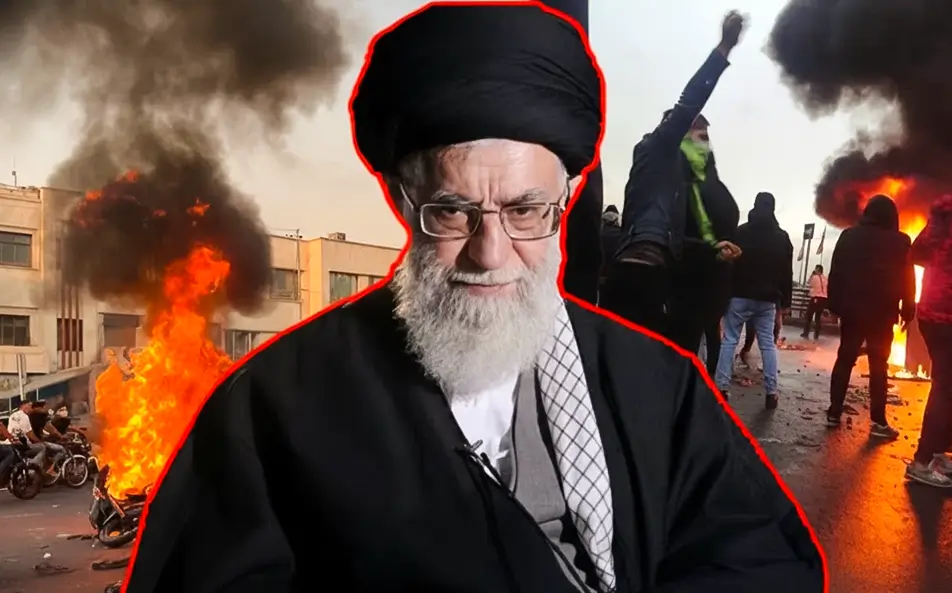
Police presence has intensified. Armoured vehicles patrol major roads. Plainclothes officers blend into crowds. Cameras watch intersections.
State television offers a familiar explanation: unrest driven by foreign manipulation. Protesters respond with a simpler answer - life has become unaffordable.
Reports filtering through tehran iran news channels describe a tense calm in the capital. Smaller gatherings dissolve quickly. Larger ones never fully form. But frustration does not disappear; it waits.
Observers note a pattern: control without dialogue.
Iran has seen unrest before. Students. Workers. Pensioners. Each wave rises, recedes, then returns altered.
What feels different now is fatigue. Not the dramatic anger of revolution, but the slow burn of people who feel unheard for too long.
Younger Iranians, in particular, show little belief in promises. Older generations speak of déjà vu. Between them lies a widening gap between official language and lived reality.
Analysts warn that repeated crackdowns without economic relief risk deepening that divide.
Internationally, governments issue careful statements. Rights groups document shutdowns. Diplomats speak of restraint.
Coverage in global Iran news outlets focuses on scale rather than outcome, because outcomes remain unclear. Will protests fade once connectivity returns? Or has the blackout hardened resolve?
Energy markets, regional security analysts, and neighbouring states all watch closely. Instability in Iran rarely stays contained.
For now, the internet remains unreliable. Streets remain watched. Voices remain cautious.
But conversations continue - in homes, shops, queues, and classrooms. Protest does not always look like crowds. Sometimes it looks like withdrawal, distrust, silence.
The second and final mention of the Iran Protest matters because this moment is not isolated. It is part of a longer story - one shaped by economics more than ideology, by exhaustion more than ambition.
How it ends depends on choices not yet made.
The United Indian reports global developments with care, context, and restraint. We focus on people behind events, not just power and policy.
We will continue to follow developments in Iran as verified information emerges.
Everything you need to know
The anger has been building for a long time. Rising prices, unemployment, and a struggling economy have pushed many people to a breaking point. What we are seeing now is frustration spilling onto the streets after months even years of pressure.
Internet shutdowns are often used to slow down protest coordination and limit the spread of images and videos. By cutting access, authorities try to control information and reduce mobilisation, even though it also disrupts daily life for ordinary citizens.
No. While Tehran has seen heavy demonstrations, reports suggest unrest in several other cities and towns as well. This wider spread makes the situation more serious, as it shows dissatisfaction is not limited to the capital.
Voices from outside Iran, including exiled leaders, often try to influence public opinion by encouraging protesters. Some people see them as symbolic support, while others believe change must come from within the country rather than from figures abroad.
It’s difficult to predict. The protests could be suppressed through force and restrictions, or they could continue if economic conditions worsen and public anger grows. Much will depend on how long people can sustain protests under pressure and how authorities respond.


Oct 23, 2026
TUI Staff
Oct 23, 2026
TUI Staff
Oct 22, 2026
TUI Staff
Oct 22, 2026
TUI Staff
Oct 23, 2026
TUI Staff
Oct 23, 2026
TUI Staff
Oct 22, 2026
TUI Staff
Oct 22, 2026
TUI Staff

Stay informed with independent, fact-checked journalism on technology, environment, government, economy and more. India’s most trusted digital news platform.


Comments (0)
Be the first to comment!