
Tariff on India Sparks Strain as Trump Says Modi ‘Not Happy’ With Him
Trade Meets Diplomacy
 IN
Mon, Oct 19, 2026 | 04:33 PM IST
IN
Mon, Oct 19, 2026 | 04:33 PM IST

A brief remark can sometimes reveal more than a long policy statement. That feeling became obvious when Donald Trump recently said, almost offhandedly, that Prime Minister Modi is “not very happy” with him. It was not a long statement or a formal announcement, but it was enough to draw attention to a discomfort that has been building quietly in India-US economic ties.
Trump followed the remark by stressing that his personal relationship with Modi remains good. Still, the admission mattered. It reflected what many diplomats and trade watchers have sensed for some time - that trade decisions, especially those involving tariffs, are beginning to strain even relationships that are publicly described as friendly.
The tension largely comes down to higher duties on Indian exports entering the US market. These measures have touched several industries and created uncertainty for companies that rely on stable trade rules. Trump has defended the move as part of his broader trade approach, but by speaking about Modi’s displeasure so openly, he also signalled that he knows the costs are not just economic, but diplomatic as well.
Trump’s relationship with Modi has often been highlighted as one of mutual respect and public warmth. High-profile meetings, joint appearances, and positive rhetoric have helped project an image of strong ties. However, trade policy has proven to be a harder test than symbolism.
Trump’s approach to international trade has always been transactional. Personal rapport, in his view, does not outweigh economic interests. This philosophy has been applied to allies and competitors alike, and India has found itself subject to the same pressure tactics used elsewhere.
By admitting Modi’s displeasure, Trump effectively acknowledged that his strategy is creating friction. It also suggested that he views this tension as an acceptable, perhaps even necessary, consequence of pursuing what he believes to be fairer trade terms.
For India, the effect of higher duties is felt far beyond trade statistics. The United States is one of the most important markets for Indian exporters, and even small increases in tariffs can quickly make products less competitive. Industries such as engineering goods, textiles, and chemicals operate on tight margins, where a price shift of a few percentage points can decide whether an order is won or lost.
Exporters have already raised concerns about prolonged pressure. Some say they may be forced to absorb losses to stay in the market, while others are exploring alternative destinations for their goods. Diversification is often talked about as a solution, but in reality, shifting supply chains takes time, money, and stable demand - none of which happen overnight.
From Washington’s side, the tariffs are described as a pressure tool. The idea is to nudge trading partners toward concessions, whether on market access, regulatory rules, or wider economic cooperation. What feels like leverage in one capital, however, feels like punishment in another.
This strain did not appear overnight. It sits on top of trade talks that have been stuck for years. The india us trade deal has gone through multiple rounds of discussion, but key differences from farm imports to digital rules and tariff levels - have kept it from moving forward. Over time, patience on both sides has thinned.
Trump’s remark has brought that long-running stalemate back into focus. It suggests that without a wider agreement to fall back on, both countries are now relying more on pressure than cooperation to defend their interests. In the absence of progress, trade has become a tool rather than a bridge.
In New Delhi, the response has been deliberately quiet. Officials have avoided reacting publicly and instead continued to talk about dialogue and long-term engagement. The message appears to be clear: keep disagreements at the negotiating table and avoid turning them into headline-driven political disputes.
Despite the trade tension, the broader relationship between India and the United States remains largely intact. Cooperation on defence, technology, and regional security - especially in the Indo-Pacific - continues to move forward.
This makes the tariff issue more sensitive. Neither government seems eager to let economic disputes spill over into strategic areas that both consider important. At the same time, unresolved trade issues have a habit of resurfacing when left unattended.
Trump’s acknowledgment that Modi is unhappy reflects this delicate balance. It recognises the strain without suggesting a breakdown, leaving space for adjustment if both sides decide the cost of continued tension is too high.
As US president Donald trump, he consistently defended tariffs as a practical negotiating tool. He argued that tough trade measures send a message - not just to foreign governments, but also to domestic audiences concerned about jobs and competitiveness.
India’s experience fits that broader pattern. The tariffs are not necessarily personal or targeted, but part of a wider approach that treats trade relationships as transactional. Trump’s comment suggests he is aware of the diplomatic discomfort this creates, even if he believes the strategy is justified.
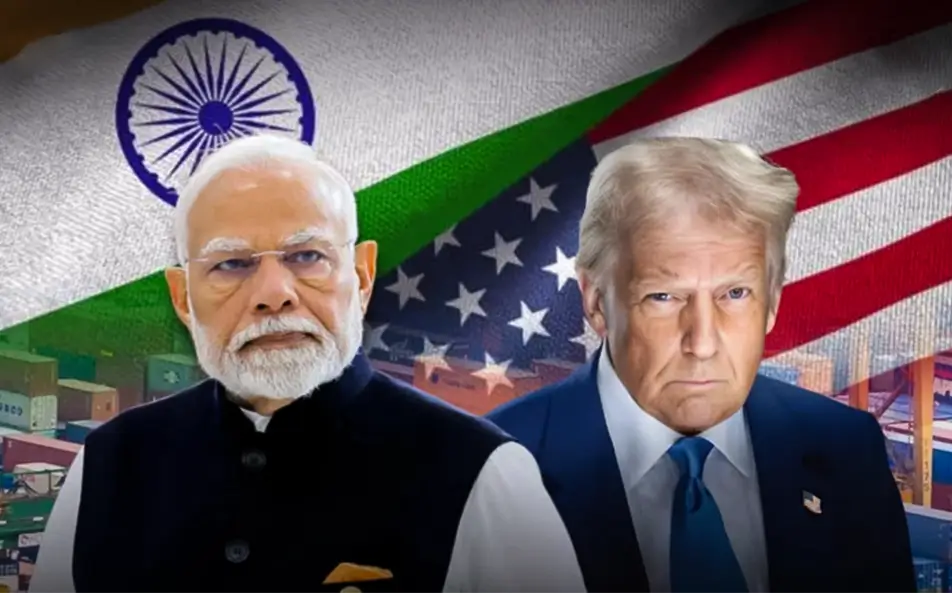
Within India, the issue has triggered a quiet but meaningful conversation. Some policymakers see the current situation as a warning sign - a reminder that relying too heavily on one major export market carries risks. Strengthening domestic manufacturing and widening export options, they argue, is no longer just a long-term goal but a practical necessity.
Others take a broader view. They point out that strategic partnerships, while important, have clear limits in a global economy driven by national interest. Friendly optics and political goodwill can help keep dialogue open, but they do not always protect countries from hard economic choices when pressure builds.
For Prime Minister Narendra Modi, the task is a delicate one. He must protect domestic economic interests and reassure industries affected by the tariffs, while also preserving a stable and working relationship with Washington - one that remains important well beyond this trade dispute.
The path forward remains uncertain. Quiet negotiations could lead to selective relief or sector-specific adjustments. Alternatively, the tariffs could persist as leverage until broader trade issues are addressed.
Political timing will also matter. Trade policy often intersects with domestic considerations, making compromise more complex than technical negotiations alone.
What Trump’s remark has done is bring a private frustration into the public domain. By doing so, it has clarified the stakes for both sides.
The India-US relationship is often described as resilient, capable of absorbing disagreements without lasting damage. Whether that resilience holds will depend on how both governments manage the current strain.
For now, the message is clear. Economic policy has consequences that extend beyond balance sheets. Even strong personal ties cannot fully shield partnerships from the pressures of hard negotiation.
How this moment is handled may determine whether it becomes a temporary irritant or a defining chapter in the evolving India-US economic relationship.
The United Indian tracks political developments and economic shifts to help readers understand how leadership decisions shape global relationships.
Everything you need to know
Because trade decisions have real political weight. Even when leaders share a working relationship, sharp tariff moves can create friction. Trump’s comment reflects that tension spilling into public conversation.
Not necessarily. Trade disputes happen even between close partners. While tariffs cause strain, cooperation in defence, technology, and global issues continues behind the scenes.
They make Indian exports more expensive in the US market, which can hurt businesses and jobs. Over time, costs may also ripple through supply chains on both sides.
In many ways, yes. Tariffs are economic tools, but they’re often used to send political messages—especially during election cycles or negotiations.
Trade disputes may sound distant, but they influence prices, employment, and long-term economic stability. When tariffs rise, everyday costs and opportunities can be affected indirectly.


Oct 19, 2026
TUI Staff
Oct 17, 2026
TUI Staff
Oct 17, 2026
TUI Staff
Oct 15, 2026
TUI Staff
Oct 19, 2026
TUI Staff
Oct 17, 2026
TUI Staff
Oct 17, 2026
TUI Staff
Oct 15, 2026
TUI Staff

Stay informed with independent, fact-checked journalism on technology, environment, government, economy and more. India’s most trusted digital news platform.


Comments (0)
Be the first to comment!