
Trump Signals Pressure as Iran Protest Escalates, Death Toll in Iran Crosses 500 and Protests in Los Angeles Spread
Diplomacy Under Fire
 IN
Thu, Oct 15, 2026 | 10:26 PM IST
IN
Thu, Oct 15, 2026 | 10:26 PM IST

For the first time in days, officials in Tehran are signalling something other than defiance. As unrest stretches into a second week and casualties continue to mount, Iranian authorities have indicated a willingness to “negotiate,” even as Washington openly discusses military options.
The shift in tone comes at a grim moment. According to figures compiled by US-based rights groups, hundreds of people have been killed since demonstrations erupted across the country. The scale of violence, combined with growing international scrutiny, appears to be forcing recalculation on all sides.
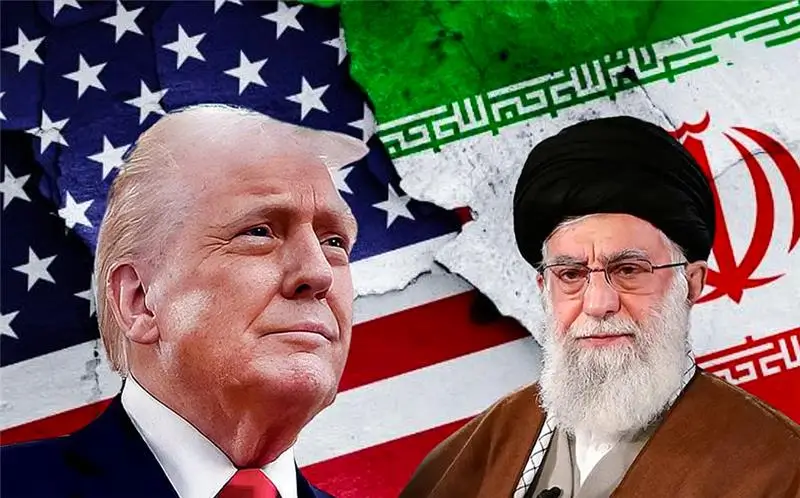
In Washington, the rhetoric has hardened. Trump has publicly said that “all options remain on the table,” a phrase that carries particular weight in the Middle East. In Tehran, officials speak more cautiously now, aware that continued escalation may leave fewer exits.
Two weeks ago, protests in Iran were small and local. Most of them were about money. Prices were rising. Jobs were harder to find. People were angry, but it looked limited.
That changed quickly. Protests spread to more cities and towns. Students came out. Workers joined. Ordinary families were seen on the streets. Many protesters said they had reached a point where daily life was no longer manageable.
Human rights groups say more than 500 people have died so far. This number includes protesters as well as members of the security forces. These figures are hard to confirm because internet access has been cut again and again. Still, the scale of violence is clear from what little information has come out.
Security forces remain visible everywhere. Streets are watched closely. Gatherings are broken up fast. Phones and internet services stop working without warning. Even so, protests have not completely stopped. That suggests the anger is not fading easily and that the reasons behind it run deeper than a single issue.
Iranian officials have not outlined what negotiations would involve or who would lead them. The language used has been careful, framed around “dialogue” and “de-escalation” rather than concession.
Diplomats familiar with the region say this is a familiar pattern: resistance first, flexibility later. Historically, Tehran has often signalled openness to talks only after pressure peaks, whether economic, political, or security-related.
This time, however, the context is more volatile. The combination of internal unrest and external military signalling limits room for delay.
From the US side, the message has been deliberately mixed. While acknowledging Iran’s signals, Trump has continued to emphasise military readiness, avoiding any commitment to talks.
Analysts say this ambiguity is intentional. By neither rejecting nor embracing negotiation outright, Washington maintains leverage while observing how events unfold inside Iran.
At the same time, US officials have pointed to unrest beyond Iran’s borders. Demonstrations by Iranian diaspora groups have appeared in several cities, including protests in Los Angeles, where crowds gathered to draw attention to the situation back home.
Inside Iran, daily life has become unpredictable. Markets open and close irregularly. Universities operate under tight supervision. Families worry about relatives who have not returned home.
The Iran protests have also altered public mood. Even in areas without visible demonstrations, conversations are cautious. People speak quietly, avoid phones, and rely on trusted networks for information.
The sense of uncertainty extends beyond the streets. Businesses delay decisions. Travel plans are cancelled. Normal routines fracture under pressure.
Global responses have been measured. Governments have called for restraint, while human rights organisations have demanded access and accountability. No major power has yet moved decisively toward mediation.
Observers note that despite strong statements, international influence over Iran’s internal dynamics remains limited. External pressure can shape outcomes, but it rarely controls them.
This is why the talk of negotiation matters. It suggests recognition within Tehran that continued isolation - political, economic, and diplomatic may carry unacceptable costs.
Statistics capture scale, not suffering. Behind every figure are families dealing with loss, injury, or fear. The protests in Iran have left neighbourhoods divided between grief and silence.
Medical workers report overwhelmed facilities. Lawyers speak of rushed detentions. Teachers describe half-empty classrooms. These details rarely make official statements, but they define the moment.
For many Iranians, the question is no longer about slogans or leadership, but about safety and survival.
Whether talks materialise remains unclear. Much depends on how both sides interpret the coming days - whether unrest slows, whether casualties rise further, whether rhetoric hardens or softens.
What is evident is that the current trajectory is unsustainable. Continued confrontation risks deeper instability, while negotiation carries political risk for all involved.
For now, Iran stands at a crossroads shaped by pressure from within and beyond its borders.
The United Indian reports global developments with care, balance, and context. We focus on how power, policy, and people intersect in moments of crisis.
We will continue to follow developments in Iran as verified information emerges.
Everything you need to know
Because the pressure is coming from two sides at once. Protests at home are growing deadlier, and tough signals from the US are raising the risk of external escalation. Negotiation offers breathing space.
It doesn’t mean an attack is imminent. Such statements are often used as pressure tactics, signalling seriousness without committing to immediate action.
Rights groups say over 500 people have died in just two weeks. While exact numbers are hard to verify, multiple sources agree the situation is among the deadliest protest phases Iran has seen recently.
No. Demonstrations linked to Iran’s unrest have also taken place abroad, especially in cities with large Iranian communities, showing how global the concern has become.
This isn’t just a political standoff. It’s a human crisis involving lives, livelihoods, and fear. Decisions made now by leaders on all sides will shape what happens next.


Oct 15, 2026
TUI Staff
Oct 15, 2026
TUI Staff
Oct 14, 2026
TUI Staff
Oct 15, 2026
TUI Staff
Oct 15, 2026
TUI Staff
Oct 15, 2026
TUI Staff
Oct 14, 2026
TUI Staff

Stay informed with independent, fact-checked journalism on technology, environment, government, economy and more. India’s most trusted digital news platform.


Comments (0)
Be the first to comment!