
Agnivesh Agarwal: Remembering Anil Agarwal’s Son and His Quiet Life Beyond the Boardroom
A Life Remembered
 IN
Sat, Aug 29, 2026 | 02:10 PM IST
IN
Sat, Aug 29, 2026 | 02:10 PM IST

Losing a child leaves a silence that never quite lifts, no matter their age. On Wednesday, Vedanta Group chairman Anil Agarwal spoke of that loss as he shared the news of his son’s passing. In a short message filled with grief, he called it the darkest day of his life - words that reflected a father’s pain more than a public announcement.
The loss has drawn condolences from across India’s business and public life. Yet beyond the messages and headlines lies a quieter story - that of Agnivesh Agarwal, a man who remained largely out of public view despite being born into one of India’s most recognisable industrial families.
Unlike many members of prominent business families, Agnivesh did not seek visibility. He was rarely photographed at corporate events, seldom quoted in interviews, and did not cultivate a public-facing role.
People who knew him describe this as deliberate. He valued privacy, avoided attention, and chose a life that remained personal rather than performative. Even within business circles, his presence was subtle.
For those expecting a conventional corporate successor narrative, his absence from the spotlight was noticeable and intentional.
At home, Agnivesh was never introduced by his name or background. He was just family. People who were close to the Agarwals say he shared a warm, steady bond with his parents and siblings, and that his days were shaped more by those relationships than by any sense of career or status. Time with family was something he guarded quietly.
Life as the anil agarwal son came with expectations he never openly spoke about, but he did not carry them loudly. He avoided attention and preferred being present rather than being in charge. He was the kind of person who listened carefully, offered support without being asked, and never felt the need to assert himself.
When friends remember him now, they don’t talk about achievements. They talk about small, familiar things - unhurried conversations, daily habits, the comfort he found in routine. These moments never make it into public stories, but they are the ones that stay with people the longest.
According to the family, the cause of death was cardiac arrest. The suddenness of the event left many stunned, especially given his relatively young age.
The Agnivesh Agarwal death has once again drawn attention to how unexpectedly such medical emergencies can occur. But for the family, the focus has not been on explanation, only on absence.
Those who have experienced similar loss know that answers rarely soften grief.
Anil Agarwal’s announcement stood out for its simplicity. There was no corporate language, no formal framing - only a father expressing pain.
For a man often associated with resilience, growth, and ambition, the statement revealed something else entirely: vulnerability. Those close to him say the loss has left a silence that words cannot fill.
It served as a reminder that wealth and success do not shield anyone from personal tragedy.
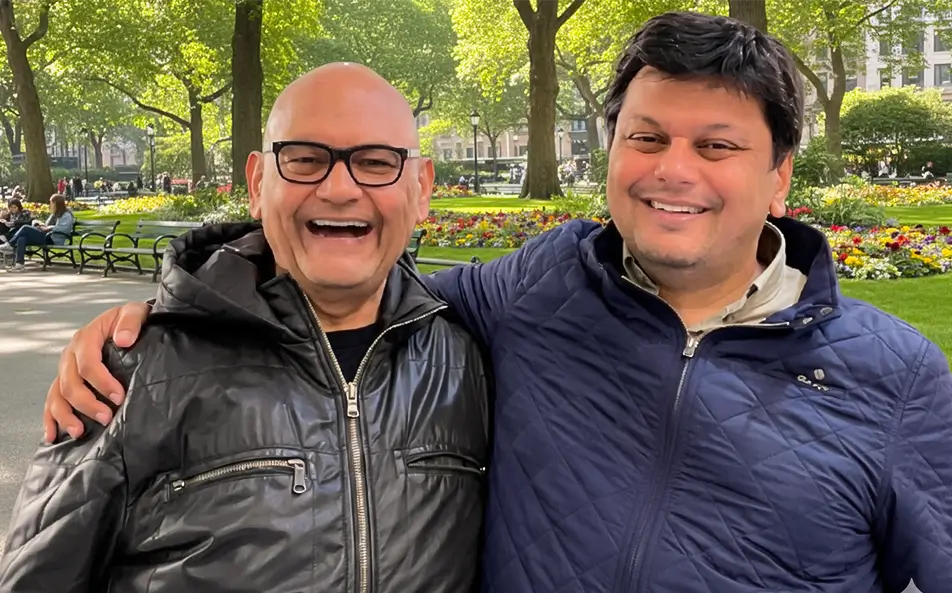
Messages of sympathy came from across industry and public life, but they were notably restrained. There were no exaggerated tributes, no public retrospectives filled with superlatives.
This reflected how Agnivesh lived. Quietly. Privately.
Many who reached out did so directly to the family, choosing personal messages over public statements. In a time of constant visibility, that restraint felt appropriate.
In India, business families are often defined by expansion, acquisitions, and market value. But loss strips those identities away.
Those who knew Agnivesh say his legacy was not professional milestones, but presence. He was remembered for reliability, kindness and steadiness - qualities that do not translate easily into headlines.
These are the traits families remember long after news cycles fade.
The family has chosen to keep final rites private. This decision aligns with how Agnivesh lived - away from cameras, without spectacle.
Friends and relatives are expected to gather quietly, offering support rather than statements. The choice reflects dignity in grief, something increasingly rare in public life.
Stories like this briefly pause the rush of daily news. They remind readers that behind public success are ordinary human bonds - parent and child, family and loss.
For readers unfamiliar with the Agarwal family, the story is still relatable. Grief does not recognise status.
The silence left behind is the same.
The United Indian reports with care, context, and respect. When stories involve personal loss, we believe restraint matters as much as information.
We extend our condolences to the Agarwal family and respect their privacy during this difficult time.
Everything you need to know
He was the son of Vedanta chairman Anil Agarwal and largely stayed away from public life. Unlike many business heirs, he preferred privacy over corporate visibility.
The family confirmed that he passed away due to a sudden cardiac arrest. No further medical details have been shared publicly.
He was not a prominent public face of the company. His life remained largely private, with no regular involvement in day-to-day corporate leadership.
In an emotional message, Anil Agarwal described the day as the darkest moment of his life, expressing grief as a father rather than as a business leader.
Because it highlights the human side of prominent families. Despite wealth and status, loss and grief remain deeply personal and universal.


Aug 29, 2026
TUI Staff
Aug 29, 2026
TUI Staff
Aug 29, 2026
TUI Staff
Aug 27, 2026
TUI Staff
Aug 29, 2026
TUI Staff
Aug 29, 2026
TUI Staff
Aug 29, 2026
TUI Staff
Aug 27, 2026
TUI Staff

Stay informed with independent, fact-checked journalism on technology, environment, government, economy and more. India’s most trusted digital news platform.


Comments (0)
Be the first to comment!