
Water Purifiers for Modern Indian Kitchens: Are Smart Features Becoming a New Essential?
Smart Kitchen Essentials
 IN
Thu, Jun 25, 2026 | 02:34 AM IST
IN
Thu, Jun 25, 2026 | 02:34 AM IST

Open any newly designed urban kitchen today and a trend stands out immediately: sleek, minimal appliances that blend with the home rather than stand apart. Among them, Water purifiers have moved from being a simple necessity to a design and technology priority. With health awareness rising and families focused on what enters their glass each day, the shift toward smarter, connected systems has quietly accelerated.
Indian households, especially in metros, now expect more from their filtration units. It is no longer just about removing impurities; it is about monitoring water quality, ensuring consistent taste, tracking usage, and knowing the system is doing its job even when no one is checking. This is where the new wave of smart RO and UV purifiers steps in.
The last decade changed how we interact with household appliances. From smart lights to app-linked air conditioners, convenience has moved from luxury to expectation. Water systems are the latest to join this space. Whether it is a smart RO water purifier for home or a UV-based device with app alerts, the new models are built around two priorities: ease and assurance.
These advanced setups often notify users about filter life, tank levels, and service needs. For homes where schedules are unpredictable and people are constantly on the move, not having to manually track maintenance is a huge relief. The result is fewer interruptions, fewer repair surprises, and more trust in what the family is drinking.
The rise of modular kitchens pushed manufacturers to rethink how filtration units look and function. Modern devices are slimmer, quieter, and easier to integrate with cabinets and countertops. A model such as an Aquaguard water purifier fits into the idea of minimal space usage while offering multi-stage filtration.
Design now matters as much as performance. Stainless steel tanks, concealed pipes, soft-touch controls, and compact dispensers have pushed old, bulky systems out of consideration. For homeowners renovating their space or moving into new apartments, choosing a water unit has started to feel like selecting a gadget rather than a utilitarian machine.
The biggest transformation is connectivity. In earlier systems, families relied on taste changes or visible deposits to guess filter condition. App-enabled units remove the guesswork entirely.
Some of the features newer systems offer include:
A smart water purifier allows families to manage water quality the same way they manage phone battery or internet data through constant, clear information.
Parents often say this visibility helps them feel more confident about what their children are drinking. For elderly users, the ability to receive alerts without inspecting the machine reduces dependency and gives a sense of independence.
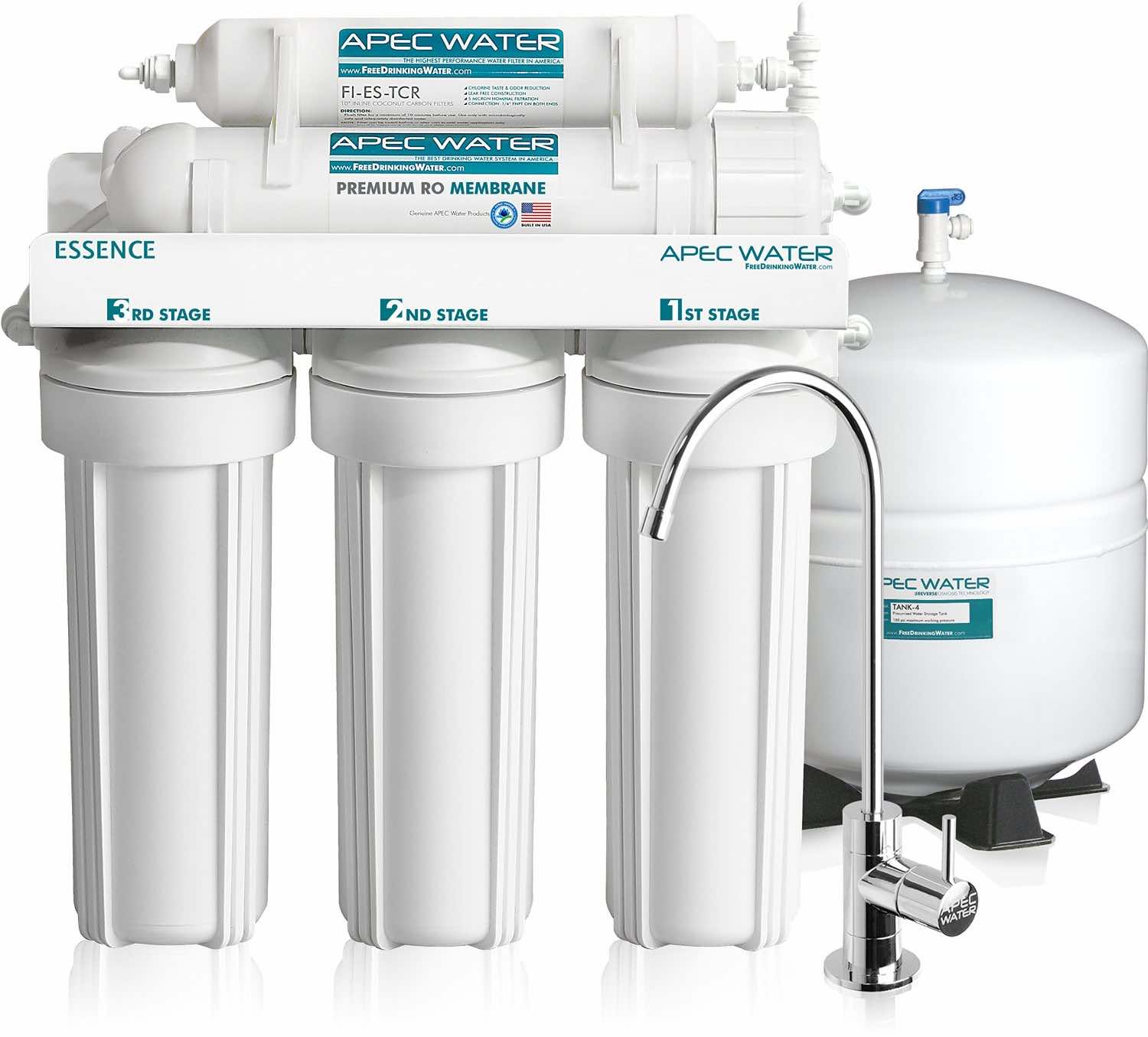
Many cities in India receive varying water quality depending on the locality, season, and supply source. RO systems are effective for high-TDS or hard water, while UV systems handle microbial safety. Combining both offers a wider safety net.
This hybrid approach is what drove interest in the new generation of smart RO water purifier units. These models manage fluctuations better and maintain steady taste even when the municipality supply changes. With app-control layered on top, households get performance plus predictability.
One concern users often raise is wastage during the purification cycle. Manufacturers have responded with improved recovery rates and recycled-flow designs. While RO cannot function without some level of wastewater, newer technologies minimize the loss significantly.
Energy consumption has also gone down due to sensor-based automation. Instead of running continuously, the purifier now responds to tank levels and switches off the moment purification is complete. Smart scheduling allows households to limit operation to specific hours, saving both water and power.
Even though the technology sounds complex, installation for most units remains quick. Professionals usually finish the setup within an hour, depending on inlet quality and design requirements.
Maintenance is where smart systems offer real value. Instead of waiting for service calls or manually checking internal parts, the app indicates exactly what needs attention. Filter replacements can be predicted weeks in advance, avoiding sudden breakdowns.
For large families or shared households, this clarity avoids misunderstandings about usage or responsibility. Everyone can track water quality the same way they track monthly bills.
The Indian water purification market has expanded steadily, partly because of changing lifestyles and partly because of consumer awareness. Health-conscious buyers are no longer satisfied with basic filtration. They want data, control, and confidence. Connectivity bridges this gap.
Retailers confirm that customers now ask for specific features - TDS monitoring, UV safety, app diagnostics rather than simply asking for “RO.” Developers and interior planners have also begun recommending built-in points for smart filtration during construction itself.
As homes adopt more connected devices, water systems naturally join the flow of a smarter ecosystem.
The evolution of Water purifiers toward connected solutions reflects a broader trend: homes designed around convenience and health. These systems are not replacing traditional RO entirely, but they are redefining expectations.
For families who have experienced inconsistent supply, high mineral content, or taste changes, smart-connected units restore reliability. For new homeowners designing modern kitchens, these devices create a cleaner look. And for working professionals, app notifications simplify a traditionally hands-on chore.
Smart Homes, Smarter Choices
From a national perspective, the move toward safer drinking water through intelligent devices signals a positive shift. Clean water remains a basic need, and technology that supports it strengthens both households and communities. For The United Indian, it represents how everyday innovation can directly uplift health and quality of life without demanding extra effort from users.
Everything you need to know
Yes. Earlier purifiers mostly focused on basic RO or UV cleaning. Today’s systems come with sensors, app alerts, real-time quality checks and smarter filtration that adapts to your water source.
Not necessarily. They actually make maintenance easier. The app tells you exactly when a filter needs attention, so there’s no guesswork or sudden breakdowns.
Surprisingly, no. Most of the work happens automatically in the background. Even without the app, the purifier functions like a regular one - the smart features are just an added convenience.
Most modern systems are designed to be energy efficient. They use sensors and auto-shutoff features to avoid unnecessary power usage, even with advanced RO and UV technology.
If your home relies on mixed water sources or if you prefer automated health tracking, smart models make life easier. They offer better control, transparency and long-term reliability.




Jun 19, 2026
TUI Staff
Jun 17, 2026
TUI Staff
Jun 05, 2026
TUI Staff
Jun 02, 2026
TUI Staff
Jun 24, 2026
TUI Staff
Jun 20, 2026
TUI Staff
Jun 20, 2026
TUI Staff
Jun 17, 2026
TUI Staff

Stay informed with independent, fact-checked journalism on technology, environment, government, economy and more. India’s most trusted digital news platform.


Comments (0)
Be the first to comment!