
US
Tue, Mar 03, 2026 | 10:26 PM IST

The United Indian


For thousands of visa applicants across South Asia and other regions, plans carefully made for January have suddenly been thrown into doubt. What began as a routine check for embassy updates quickly turned into worry after the United States confirmed a temporary pause affecting applicants from several countries, including Pakistan and Bangladesh.
The decision was announced in an official statement, with the pause set to take effect from January 21. US authorities have said the move is administrative, not punitive. Still, because there is little clarity on how long it will last or exactly who it affects, many applicants are left feeling uncertain about what comes next.
Despite early worries, this is not a complete ban on travel to the United States. The pause applies only to certain visa categories and nationalities, while background screening systems are being reviewed.
Officials say the aim is to strengthen verification and improve data-sharing. For applicants, this mostly translates into longer waits - interviews may be delayed, and applications could be held for additional checks rather than rejected outright.
In simple terms, the process slows down, especially for cases that already need closer scrutiny.
There has been no single, comprehensive list released so far. However, multiple diplomatic sources confirm that Pakistan and Bangladesh are among the countries impacted. Some nations in Africa and the Middle East are also facing heightened checks.
These countries are often labelled “high risk” by policymakers, a classification linked more to documentation and verification challenges than to the intentions of individual applicants.
US officials point to national security concerns and system overload as the main reasons behind the decision. Immigration authorities say existing screening systems were stretched, making a temporary pause necessary to reassess and strengthen procedures.
While current officials have framed this as a technical adjustment, analysts note that similar measures in the past - particularly during the Trump administration - often carried political undertones alongside administrative ones.
For families and professionals hoping to settle in the US, the pause raises serious concerns. Green card applications and family reunification cases are likely to move more slowly as additional layers of checks are added.
Applicants waiting for immigrant visas are especially anxious. Delays at this stage can disrupt job start dates, school admissions, housing plans, and financial commitments made long before the pause was announced.
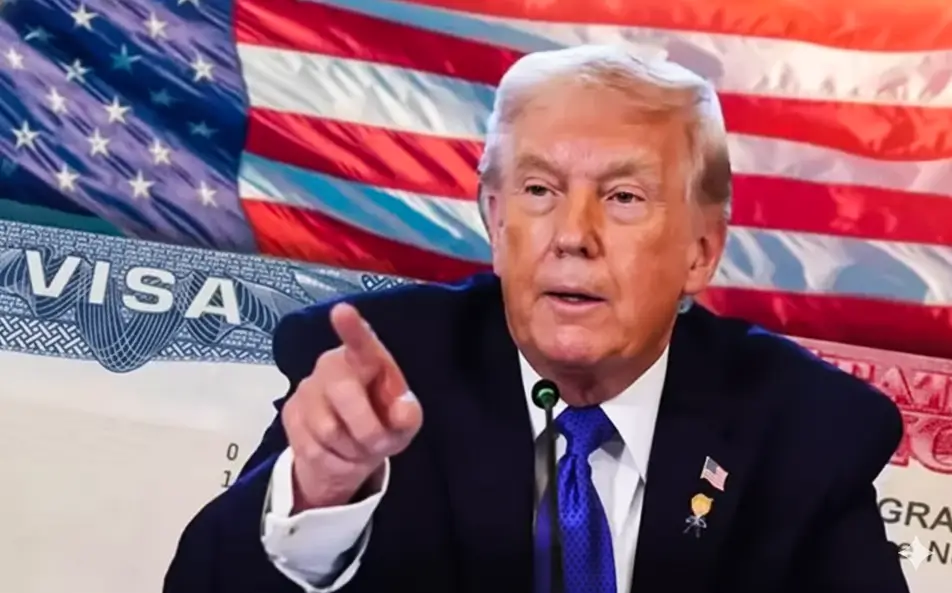
US officials have clarified that already issued visas will remain valid. Travellers with approved documents will not be turned back due to the pause alone.
Tourist and student visa categories are also not uniformly impacted, though individual cases may still face extended administrative review depending on nationality and background.
Visa decisions don’t happen in a vacuum - they often carry diplomatic consequences. Governments in countries affected by the pause are expected to raise the issue quietly through diplomatic channels, even if there is no public confrontation.
The US State Department has stressed that the pause is temporary and will be reviewed. Officials have also signalled that changes are possible if required compliance standards are met, leaving room for adjustments down the line.
If you’re stuck waiting on a visa, the uncertainty can really weigh on you. For now, try not to rush or panic. Sending in half-prepared documents, turning to unverified agents, or believing every update online can make things more complicated.
The safest approach is to stay close to official embassy information, carefully review your paperwork, and accept that delays are likely. It’s frustrating, but staying patient and organised now can save you a lot of trouble later.
What’s happening with US visas is part of a wider change. Across the world, governments are becoming more cautious about immigration, and what once felt like a straightforward process now often feels slow, uncertain, and harder to navigate.
The idea of quick, predictable approvals is fading. Instead, longer waits and sudden policy changes have become common, forcing people to adjust expectations and rethink plans along the way.
For now, clarity will come slowly. Reviews will be conducted periodically, and countries may be removed from the pause list as systems align with US requirements.
For applicants caught in the middle, the wait is difficult but familiar. Immigration, after all, has always been shaped as much by policy shifts as by personal hope.
Visa policies directly affect students, professionals, and families across South Asia. Clear reporting helps readers separate fact from fear.
Everything you need to know
Because visa systems are reviewed internally long before announcements are made. For applicants, it feels abrupt, but for authorities, it’s usually the result of months of internal assessment reaching a decision point.
Not at all. The pause is country-based, not individual-based. It doesn’t reflect on your qualifications, background, or intent - only on how applications from certain regions are being reviewed right now.
No need to panic-cancel. Most advisors suggest waiting for embassy updates first. Delays are frustrating, but many cases still move forward once reviews resume.
It’s possible, but not guaranteed. Some past pauses ended quietly after systems were updated, while others reshaped processing timelines. Much depends on diplomatic cooperation and policy priorities.
Relying on rumours. Social media panic spreads faster than official updates. Embassy notices and official statements remain the only reliable sources during situations like this.
#weareunited
We respect your privacy. Unsubscribe at any time. Privacy Policy
Feb 27, 2026
TUI Staff
Feb 27, 2026
TUI Staff
Feb 17, 2026
TUI Staff
Stay Tuned with The United Indian!
Our news blog is dedicated to sharing valuable and pertinent content for Indian citizens. Our blog news covering a wide range of categories including technology, environment, government & economy ensures that you stay informed about the topics that matter most. Follow The United Indian to never miss out on the latest trending news in India.


.webp)

Comments (0)
Be the first to comment!