
US
Fri, Apr 03, 2026 | 08:01 AM IST

The United Indian


There are voices that impress, and then there are voices that linger. In Indian film music, very few singers have managed to stay with listeners long after the song has ended. Fewer still have become emotional reference points for an entire generation. Over the last decade, one voice has come to represent longing, restraint, and unresolved emotion not through volume or flourish, but through quiet precision.
The journey did not begin in a recording studio or under cinema lights. It began on television, in a competitive environment where performance mattered more than personality. Reaching the finals of a reality show gave visibility, but it did not offer permanence. That came later, through playback singing, when emotion mattered more than presence and the voice was allowed to exist independently of the singer’s face.
Early in his film career, what stood out was not range or power, but control. The voice did not rush toward feeling it waited. Notes were held back rather than pushed forward. This restraint allowed space for listeners to project their own experiences into the music.
That quality became unmistakable with Channa mereya, a song that did not plead or collapse into despair. Instead, it spoke softly, almost reluctantly, as if heartbreak was being acknowledged rather than performed. The song’s success lay not just in its melody, but in how comfortably it allowed sadness to exist without resolution.
Where many film songs seek catharsis, Hamari Adhuri Kahani did something else entirely. It accepted incompleteness. The song did not promise healing or transformation. It lingered in the middle-the place most people recognise but rarely articulate. That approach marked a shift in how heartbreak was portrayed in mainstream cinema. Pain no longer needed to peak. It could simply remain.
By the time this song entered popular consciousness, the singer behind it was no longer just a performer. He had become a medium-someone audiences trusted to carry their unspoken emotions without exaggeration.
Despite immense popularity, public visibility remained minimal. Interviews were rare. Public statements were measured. Even rumours including talk of Arijit Singh retirement surfaced without clear responses, reinforcing the sense that the music mattered more than the persona. In an industry built on visibility, that absence became its own form of presence.
Occasional headlines under Arijit Singh latest news would focus less on controversy and more on concerts, collaborations, or unexpected silences. There was no attempt to dominate conversations. The work spoke, and then stepped back.
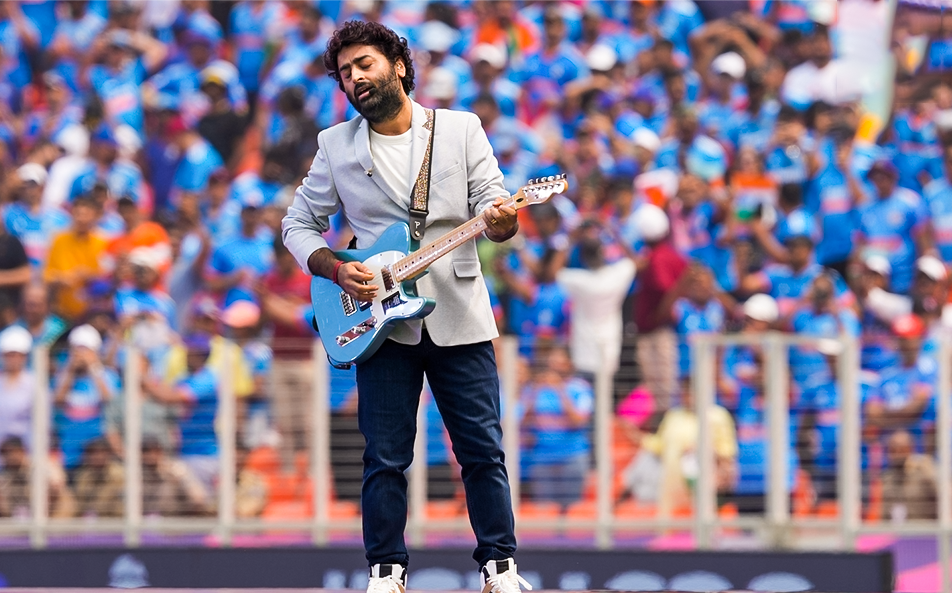
As listeners grew older, so did the relationship with the music. Songs that once accompanied first heartbreaks later found space in quieter moments late drives, solitary evenings and reflective pauses. Questions about Arijit Singh age often appeared alongside discussions of longevity, not curiosity. The implication was simple: the voice had grown with its audience.
What made this bond lasting was emotional accuracy. The songs never claimed to understand everything. They simply recognised how heartbreak actually feels unresolved, repetitive, sometimes mundane. That honesty proved more powerful than spectacle.
Behind the emotional resonance lies discipline. Playback singing demands adaptability singing for different characters, narratives, and cinematic moods. Yet the voice retained a recognisable core. It did not bend to trends as much as trends bent toward it.
The singer learned when to step forward and when to disappear into the composition. That balance allowed music directors to trust restraint, knowing the emotion would still land. This trust redefined how romantic and melancholic songs were composed in the 2010s.
Not every popular song lasts. Many fade once the film cycle ends. What made these songs endure was their refusal to oversell feeling. They did not instruct listeners how to feel. They simply offered space.
The second and final mention of Channa Mereya belongs here not as a hit, but as a turning point. It marked the moment heartbreak became introspective rather than theatrical.
Similarly, Hamari Adhuri Kahani remains a reference point for unfinished stories, not because it explains them, but because it refuses to.
The United Indian explores culture through memory, meaning, and the quiet forces that shape how generations feel, listen, and remember.
Everything you need to know
Because people usually don’t go looking for them. They just appear on shuffle, on old playlists, on late drives. And suddenly the song feels like it knows more than it should.
No, but that’s what people remember most. When something helps you through a low phase, it sticks harder than upbeat music ever does.
It didn’t feel like a breakup song trying to prove anything. It felt tired, resigned, almost polite. That’s closer to real heartbreak than shouting ever is.
It’s not group music. It’s thinking music. You hear it properly when you’re not trying to impress anyone or keep up a mood.
Yes. There’s less distraction. You’re not constantly connecting lyrics to headlines or interviews. The song stays yours.
#weareunited
We respect your privacy. Unsubscribe at any time. Privacy Policy
Apr 02, 2026
TUI Staff
Mar 25, 2026
TUI Staff
Mar 20, 2026
TUI Staff
Mar 19, 2026
TUI Staff
Apr 01, 2026
TUI Staff
Mar 31, 2026
TUI Staff
Mar 30, 2026
TUI Staff
Mar 30, 2026
TUI Staff
Stay Tuned with The United Indian!
Our news blog is dedicated to sharing valuable and pertinent content for Indian citizens. Our blog news covering a wide range of categories including technology, environment, government & economy ensures that you stay informed about the topics that matter most. Follow The United Indian to never miss out on the latest trending news in India.


Comments (0)
Be the first to comment!