
A Software Update for a 2013 iPhone in 2026: Why Is Apple Supporting Such Old iPhones?
Old Phone, New Life
 IN
Tue, Oct 13, 2026 | 03:35 PM IST
IN
Tue, Oct 13, 2026 | 03:35 PM IST

In most cases, smartphones don’t get a long second life. After ten years, updates stop, apps fade away, and the device quietly disappears into a drawer. That is what makes Apple’s latest move unusual.
In 2026, Apple rolled out iOS 12.5.8 for devices first launched in the early 2010s, including models that many assumed had been permanently left behind. On paper, it looks like a minor technical fix. In practice, it reveals something deeper about how long modern devices are expected to remain functional and who bears responsibility when they don’t.
The update covers two iPhone models released years apart by smartphone standards - the iPhone 5s from 2013 and the iPhone 6 from 2014. In doing so, Apple finds itself in a rare position: continuing to support devices that are now 13 and 12 years old, long after most smartphones would have been left behind.
In an industry where five to six years of updates is considered generous, this alone stands out. But the motivation behind the update is not nostalgia or fan service. It is far more technical and far more consequential for users still relying on these devices.
According to Apple’s own release notes, iOS 12.5.8 extends the validity of a critical system certificate. That certificate underpins several core features, including iMessage, FaceTime, and other Apple services that rely on secure authentication.
Without this update, those services would have stopped functioning on affected devices after January 2027. The phones would still power on. Apps might still open. But communication tools many users consider essential would quietly fail.
With the update installed, that cutoff is effectively removed. The devices remain connected, authenticated, and usable beyond that date without any visible changes to the user experience.
There are no new features here. No interface changes. No performance tweaks. Users who install the patch are unlikely to notice anything different at first glance. That invisibility is deliberate.
The goal of iOS 12.5.8 is not improvement, but prevention. It ensures that devices already in circulation do not degrade simply because the broader ecosystem around them has evolved. In other words, Apple stepped in before failure became unavoidable.
For users applying the iPhone 5s update, the result is continuity. The phone works tomorrow the same way it worked yesterday and that, increasingly, is not a given.
Apple has not framed this release as a major announcement, and that restraint is telling. The update arrived quietly, without marketing or fanfare. Yet its implications ripple outward.
As companies shift backend infrastructure, older devices are often the first casualties. Security certificates expire. Authentication standards change. Services move forward, and unsupported hardware is left stranded.
The decision reinforces the idea that device life does not end simply because a product is no longer sold. It also suggests that Apple sees continued access to its ecosystem as a responsibility, not just a privilege tied to newer hardware.
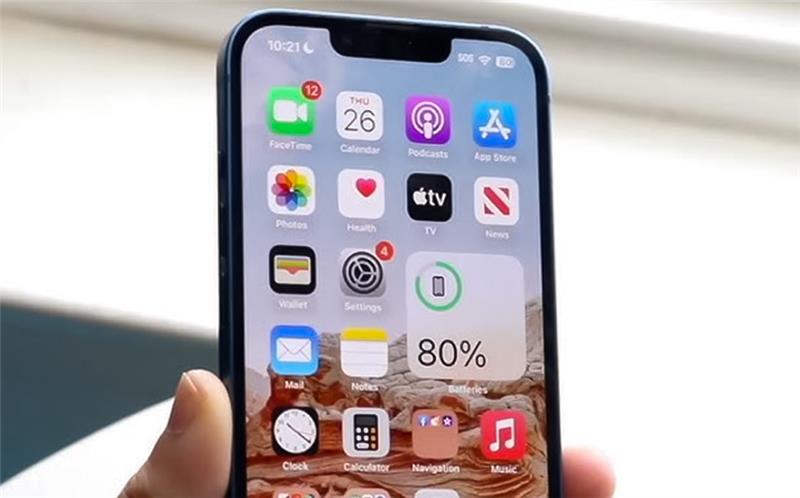
While Apple has not explicitly linked this update to environmental goals, the connection is difficult to ignore. Extending the usable life of existing devices reduces pressure on replacement cycles and slows electronic waste.
Many older iPhones still serve practical roles. They are secondary phones, children’s first devices, navigation tools, or dedicated media players. Allowing these phones to remain functional even in a limited capacity carries real-world value.
The iphone 5 may no longer represent cutting-edge technology, but it remains capable of basic communication. Apple’s decision ensures that capability is not artificially cut short.
Most smartphone manufacturers draw a firm boundary once official support end. Beyond that point, devices are left to age on their own, vulnerable to gradual failure as services evolve.
Apple’s move does not rewrite that rule entirely. These devices are not receiving ongoing development or feature upgrades. But by addressing a specific failure point, Apple has softened the edge of obsolescence.
For users, this builds trust. It suggests that holding onto a device does not automatically mean being punished by invisible system changes.
This update raises a broader question: how long should digital products remain usable?
Hardware durability has improved significantly over the past decade. Software support, however, often lags behind. By issuing a fix so late in a product’s life, Apple challenges the assumption that long-term maintenance is impractical or unnecessary. It also sets a quiet benchmark not for full updates, but for responsible maintenance when failure is foreseeable.
At The United Indian, we examine technology not only at the moment of release, but across its lifespan. Apple’s 2026 update for decade-old iPhones is not a story about innovation. It is a story about accountability about what happens after attention fades and products are no longer profitable.
In an era defined by speed and replacement, this moment stands out precisely because it slows things down.
Everything you need to know
Because the phones weren’t actually “dead.” A background security certificate was close to expiring, and once that happened, core services would have stopped working even though the hardware was fine. Apple stepped in before that break became permanent..
Not really. It doesn’t modernise them or bring back app support. It simply keeps what already works from quietly failing in the background.
Most won’t. There’s no visual change, no new feature, and no performance boost. The point of the update is that nothing suddenly stops working.
Services tied to Apple’s servers like messaging and video calling - would have failed after January 2027 because of an expired system certificate.
No. This is a maintenance fix, not a return to regular software support. Apple hasn’t signalled that more updates are coming.


Oct 12, 2026
TUI Staff
Sep 30, 2026
TUI Staff
Sep 30, 2026
TUI Staff
Sep 28, 2026
TUI Staff
Oct 13, 2026
TUI Staff
Oct 09, 2026
TUI Staff
Oct 09, 2026
TUI Staff

Stay informed with independent, fact-checked journalism on technology, environment, government, economy and more. India’s most trusted digital news platform.


Comments (0)
Be the first to comment!