
Dense Fog in Delhi NCR as Cold Wave Persists Till January 6; Orange Alert Issued in Rajasthan for Fog
Dense fog and cold wave conditions will persist in Delhi-NCR till January 6, while Rajasthan remains under orange alert for fog.
 IN
Sun, Oct 25, 2026 | 07:30 AM IST
IN
Sun, Oct 25, 2026 | 07:30 AM IST


Some winters announce themselves loudly. This one hasn’t. It just shows up every morning, quietly, and refuses to leave.
Across Delhi and nearby areas, days have started late, not because people are lazy, but because the mornings are simply harder to move through. The India Meteorological Department says cold wave conditions will continue till January 6, and anyone stepping outside before sunrise already knows that forecast feels accurate.
The roads are the first to disappear. Corners blur. Distances shorten. Drivers slow down without being told. The presence of dense fog in Delhi NCR has turned early travel into a matter of patience rather than speed. Even familiar routes feel uncertain when visibility drops without warning.
This phase of Delhi weather isn’t dramatic, but it’s draining. Nights are colder than usual, especially in areas closer to open land. By morning, the cold settles in fully, helped along by still air and lingering moisture. Fog forms easily, hangs around longer than expected, and clears only when the sun decides to cooperate.
People have adjusted quietly. Some leave home later. Some wait for the fog to lift before starting errands. Tea stalls are busy earlier. Parks are emptier at dawn. Trains have been delayed on multiple mornings, and early flights sometimes wait for visibility to improve. It’s not chaos. It’s routine disruption.
Rajasthan is seeing a tougher version of the same story. Several districts remain under an orange alert due to dense fog, with visibility dropping to worrying levels at night and in the early hours. Long-distance travel has been hit, with vehicles stopping and starting depending on conditions. In parts of the state, light rain in rajasthan has added moisture to the air, deepening the cold and making fog thicker. Farmers are watching the situation closely, concerned about how extended cold and dampness might affect winter crops.
Weather experts say this pattern isn’t unusual, but its persistence stands out. With very little wind movement at night, cold air stays close to the ground. Once fog forms, it doesn’t clear easily. This ongoing delhi dense fog cold wave situation has also affected air quality during early hours, as pollutants remain trapped near the surface. Doctors continue to advise caution, especially for children, older people, and those with breathing problems.
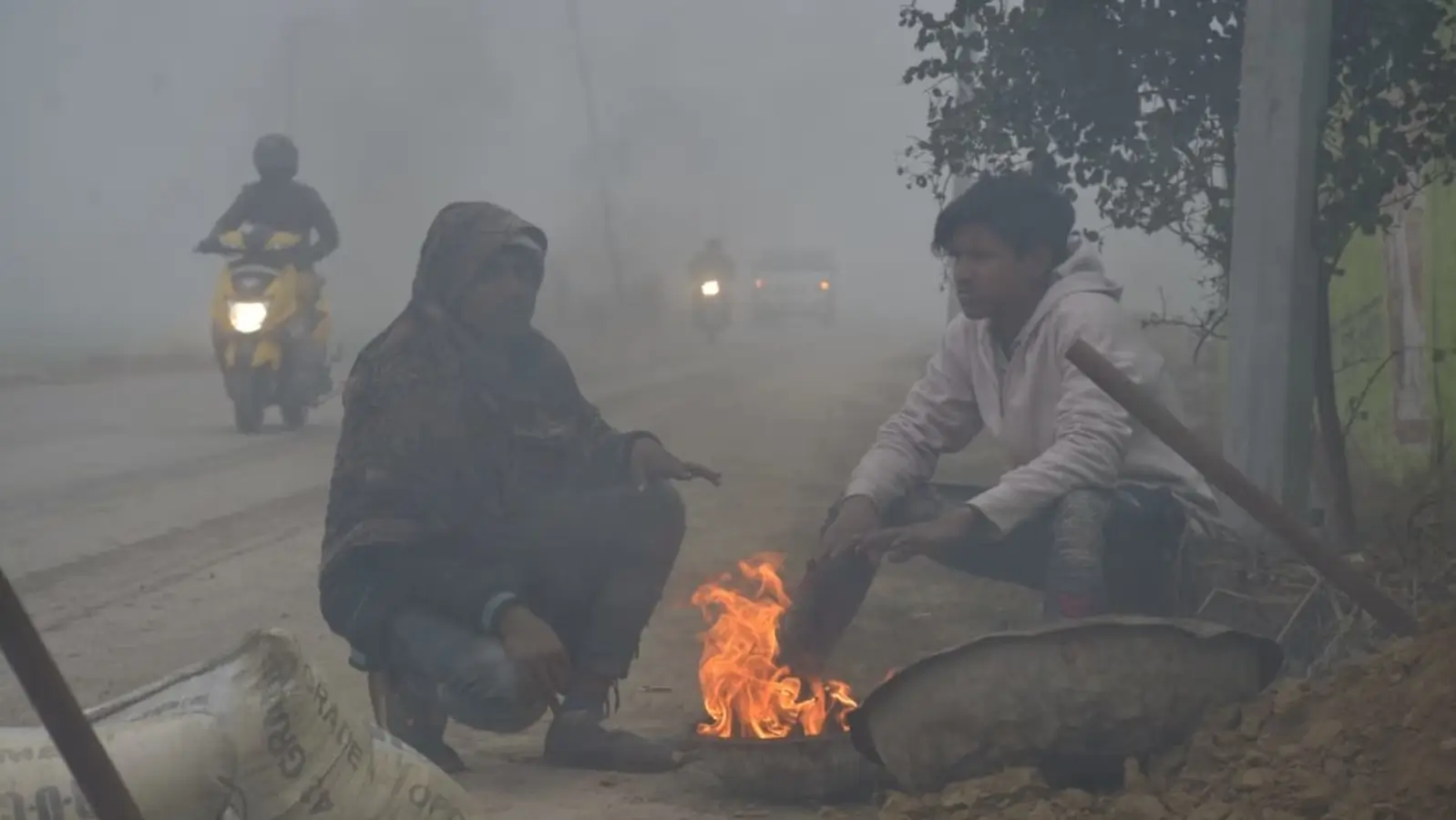
What feels different this year is how normal the disruption has become. Delays are expected. Cold is assumed. Streets look quieter in the mornings because people are moving carefully, not because they aren’t moving at all. Across north India, similar scenes are repeating, a reminder of how unpredictable india weather patterns have become.
IMD forecasts suggest there’s little chance of quick improvement. Daytime temperatures may rise slightly, but nights and mornings are likely to stay cold till at least January 6. Fog will continue to return, especially in areas close to open fields and water bodies.
Winter doesn’t need headlines to make itself felt. Sometimes it works slowly, changing habits, stretching mornings, forcing people to pause. The presence of dense fog in Delhi NCR has already shaped how this season is being lived - quietly, cautiously, and one delayed morning at a time.
Weather disruptions directly affect mobility, health, and livelihoods, especially in densely populated urban regions.
The United Indian tracks weather developments with a focus on how climate conditions shape everyday life in cities and communities.
Everything you need to know
Fog has become thicker due to calm winds, higher moisture in the air, and falling night temperatures. When there is little air movement, moisture settles near the ground and forms fog that takes longer to clear.
According to weather officials, cold wave conditions are expected to persist till around January 6. Mornings and nights are likely to remain particularly cold during this period.
Yes, fog has been causing delays in trains and early morning flights. Road travel is also slower during low-visibility hours, especially before sunrise.
Several districts in Rajasthan are experiencing very low visibility due to persistent fog. In some areas, light rain has added moisture to the air, making conditions more severe and risky for travel.
People are advised to avoid early morning travel if possible, wear warm layered clothing, drive slowly with proper lights, and take extra care if they have respiratory or cold-related health issues.


Oct 22, 2026
TUI Staff
Oct 21, 2026
TUI Staff
Oct 21, 2026
TUI Staff
Oct 15, 2026
TUI Staff
Oct 23, 2026
TUI Staff
Oct 23, 2026
TUI Staff
Oct 22, 2026
TUI Staff
Oct 22, 2026
TUI Staff

Stay informed with independent, fact-checked journalism on technology, environment, government, economy and more. India’s most trusted digital news platform.


Comments (0)
Be the first to comment!