
US
Tue, Feb 03, 2026 | 09:13 PM IST

The United Indian

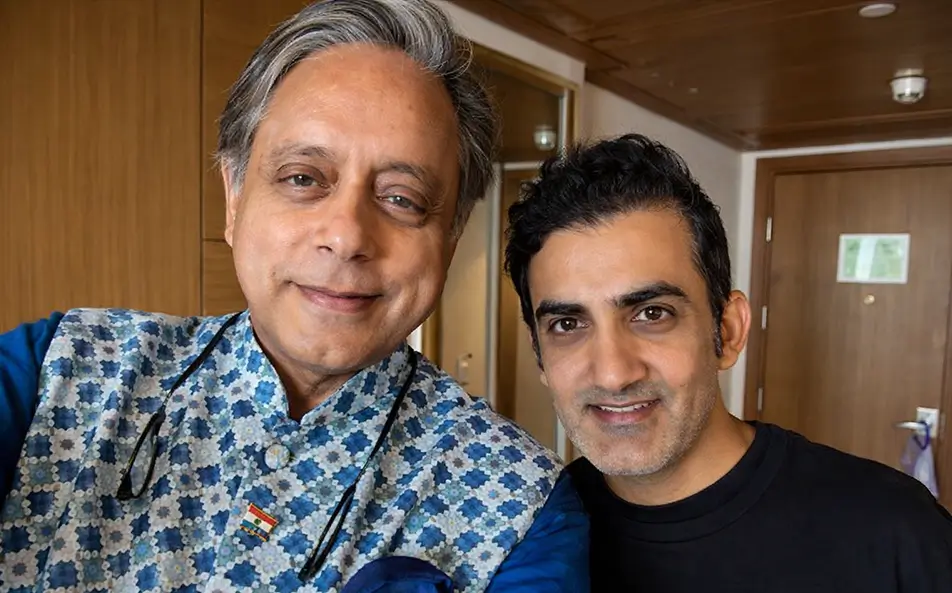
Rumours spread faster than runs in Indian cricket. Long before teams are named or the first ball is bowled, debates begin on TV panels, social media, and even behind closed doors. This time, the chatter has returned with the India vs New Zealand series, bringing back a familiar question: should the team move on, or stick with experience?
The focus has turned to Gautam Gambhir after claims surfaced that he wanted senior players pushed aside. Gambhir shut that down quickly. His response was short, but the timing made it impossible to ignore. In Indian cricket, staying quiet creates doubts - yet even clear words can spark fresh speculation.
The claims surfaced quietly at first, framed as “sources” and “internal chatter”. They suggested that Gambhir, now part of the decision-making ecosystem, was pushing for a sharper break from the past - specifically questioning the place of established names as India looks ahead. Within hours, the debate widened. Television panels dissected intent. Social media reduced nuance to absolutes. Fans, divided as ever, chose sides before facts emerged.
When Gambhir finally spoke, he didn’t offer explanations or names. Instead, he dismissed the speculation outright, insisting that “truth will become clear” with time. It was a line that revealed little yet shifted focus away from personalities toward process.
This moment is not about any single player. It reflects a deeper tension within the India cricket team - how to evolve without appearing reactionary. Indian cricket has reached a phase where success is no longer measured only by results, but by how transitions are handled. The margins are thinner now. Every omission becomes symbolic. Every selection is read as a message.
That is why upcoming fixtures carry weight beyond their format or opponent. Another India vs New Zealand contest, for instance, is no longer just a bilateral series - it becomes a referendum on direction.
Supporters of continuity argue that senior players offer more than runs. They bring context - an understanding of pressure that can’t be replicated in nets or domestic tournaments. In their view, removing experience prematurely risks destabilising a team that still wins more than it loses.
Those calling for change counter with a different concern: stagnation. They argue that opportunities shrink when the door remains half-closed, and that meaningful transition requires decisive moments, not gradual drift. What complicates matters is that both arguments carry merit. This is not a case of right versus wrong, but timing versus comfort.
Gambhir has always occupied a unique space in Indian cricket discourse. He speaks with the authority of experience, yet remains comfortable challenging consensus. That makes every remark even a denial part of a larger narrative.
His response was notable for what it avoided. There was no defence of individuals, no explanation of selection philosophy, and no hint of internal debate. Instead, he chose restraint, allowing performance and official decisions to do the talking. In a media environment driven by instant reaction, restraint itself becomes a statement.
As India vs New Zealand 2026 approaches, attention will eventually shift from speculation to cricket. It always does. But the questions raised now won’t disappear with the first boundary or wicket.
How India balances form, fitness, and future planning will define the next phase. The presence or absence of figures like Rohit Sharma and Virat Kohli will be interpreted less as tactical calls and more as philosophical signals. That is the reality of leadership in Indian sport. Decisions echo louder than explanations.
Every successful cricketing nation eventually reaches this point - when the past still performs, but the future demands space. The challenge lies in managing that overlap without fracture. For now, the India cricket team continues its preparation, aware that every move will be scrutinised. Gambhir’s assertion that “truth will become clear” suggests confidence in the process, even if the process itself remains unseen.
In Indian cricket, clarity often arrives not through statements, but through selection sheets and scorecards.
Strip away the noise, and this episode reflects something familiar: a system under pressure to renew itself without losing identity.
Whether change comes gradually or abruptly remains to be seen. But one thing is certain - the conversation has already shifted. Fans are no longer asking if transition will happen, but how. And in that space between speculation and selection, Indian cricket once again reveals how deeply it matters not just as a sport, but as a shared national argument.
The United Indian covers Indian sport with depth and restraint, focusing on moments of transition and what they reveal beyond immediate headlines.
We will continue to track developments as on-field decisions bring greater clarity to this debate.
Everything you need to know
The talk began after a mix of silence, unnamed sources, and social media speculation. With no clear statement from selectors or the team, people started connecting dots that may or may not exist.
It wasn’t a confirmation or a denial. Most likely, he meant that decisions would speak for themselves through team selections and matchday choices rather than public explanations.
There is no official indication of that. At this stage, everything remains speculative. Any real shift would show up gradually through rest, workload management, or role changes.
Because it comes at a moment when the team is quietly assessing balance and depth. How players are used in this series may hint at future planning.
Not necessarily. Periods of speculation often appear before transitions, and they don’t always lead to dramatic changes. For now, the focus remains on performance rather than headlines.
#weareunited
We respect your privacy. Unsubscribe at any time. Privacy Policy
Jan 22, 2026
TUI Staff
Dec 08, 2025
TUI Staff
Nov 06, 2025
TUI Staff
Nov 03, 2025
TUI Staff
Stay Tuned with The United Indian!
Our news blog is dedicated to sharing valuable and pertinent content for Indian citizens. Our blog news covering a wide range of categories including technology, environment, government & economy ensures that you stay informed about the topics that matter most. Follow The United Indian to never miss out on the latest trending news in India.




Comments (0)
Be the first to comment!