
US
Tue, Feb 03, 2026 | 09:13 PM IST

The United Indian

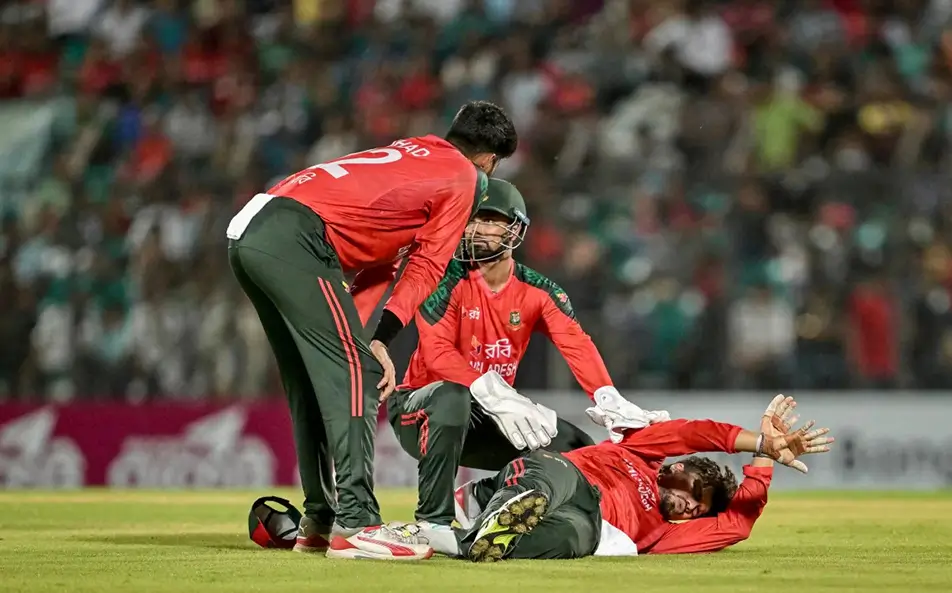
For Bangladesh, this isn’t new. Global Cricket still operates on an uneven table. Influence follows history, revenue, and hosting power.
Smaller boards often operate in adjustment mode. They raise concerns early, hope for accommodation, then move on when answers don’t come. This episode fits that pattern not dramatically, but predictably.
From the ICC’s side, the logic is brutally simple. Once exceptions are granted, consistency collapses. Tournament management turns reactive. Every request becomes precedent. The second and final mention of the International Cricket Council matters here because it reinforces where authority ultimately rests and how rarely it shifts once exercised.
This wasn’t about Bangladesh alone. It was about keeping the structure intact.
The story now moves away from boardrooms and back to nets. Training plans will be finalised. Tours will be slotted. Players will arrive knowing conditions may not be ideal, but they are fixed. For Bangladesh, the challenge is familiar: turn constraint into clarity. Sometimes teams perform best when expectations are low and discipline is high.
If a miracle arrives, it won’t come from scheduling. It will come from execution.
The United Indian looks at sport beyond scorelines, focusing on the decisions that shape tournaments long before the first ball is bowled.
We will continue to follow developments as the T20 World Cup 2026 approaches.
Everything you need to know
The request was mainly about logistics and preparation. Bangladesh officials were concerned about travel schedules, recovery time for players, and how compressed fixtures could affect performance during a long tournament.
The request was discussed internally, but by the time it reached the final stage, most tournament plans were already locked. That made any change difficult, and the ICC eventually decided not to alter the schedule.
Not directly in terms of competition, but it does mean Bangladesh will have to adapt to conditions and schedules they did not choose. In short tournaments, even small logistical factors can matter.
Because changing one team’s schedule can affect venues, broadcasters, security planning, and other teams as well. The ICC usually prioritises uniformity to avoid setting precedents that complicate tournament management.
The focus now shifts to preparation. Coaches and support staff will adjust training and recovery plans, and players will prepare to perform within the existing schedule rather than wait for changes.
#weareunited
We respect your privacy. Unsubscribe at any time. Privacy Policy
Jan 23, 2026
TUI Staff
Dec 08, 2025
TUI Staff
Nov 06, 2025
TUI Staff
Nov 03, 2025
TUI Staff
Stay Tuned with The United Indian!
Our news blog is dedicated to sharing valuable and pertinent content for Indian citizens. Our blog news covering a wide range of categories including technology, environment, government & economy ensures that you stay informed about the topics that matter most. Follow The United Indian to never miss out on the latest trending news in India.




Comments (0)
Be the first to comment!