
Trump's Venezuela Oil Push: Why ‘Kick Out China, Russia’ Is the New Demand
Crude Meets Politics
 IN
Sun, Oct 18, 2026 | 01:45 PM IST
IN
Sun, Oct 18, 2026 | 01:45 PM IST

The sudden capture of Venezuela’s president sent shockwaves through Latin America and beyond. While the political implications were immediate, the deeper consequences began to surface soon after. At the centre of the unfolding situation lies a familiar but powerful factor: oil. More specifically, how Venezuela’s energy future is being reshaped amid intense international pressure.
In the days following the operation, the United States signalled that its expectations from Caracas went far beyond political transition. The message was blunt-any future engagement would depend on Venezuela’s willingness to realign its external partnerships and open its oil sector in a way that favours American strategic interests. This approach has turned an already volatile situation into a broader contest over influence, resources, and global alignment.
For decades, Venezuela’s economy has revolved around petroleum. Even as production declined due to sanctions, mismanagement, and underinvestment, oil remained the country’s most valuable bargaining chip. Now, that chip is being played on the international stage.
Washington’s stance links cooperation directly to access. The demand described in policy circles as trump venezuela oil reflects an effort to redirect Venezuela’s exports away from long-standing partners and toward the United States and its allies. This is not simply about increasing supply; it is about deciding who gets to shape Venezuela’s recovery.
Energy analysts note that American refineries are well-equipped to process heavy crude, making Venezuelan supply commercially attractive. But the political conditions attached to this access suggest that economics alone is not driving the conversation.
One of the clearest expectations being placed on Venezuela is a reduction in its dependence on China and Russia. These relationships deepened during years when Caracas faced diplomatic isolation from the West. In exchange for financing and technical support, Beijing and Moscow secured long-term oil agreements and strategic footholds.
The current push aims to unwind those ties. Supporters of this strategy argue that it offers Venezuela a path back into mainstream global markets. Critics counter that forcing such a choice undermines national sovereignty and risks replacing one form of dependency with another.
The phrase trump venezuela has increasingly come to represent this style of engagement-transactional, direct, and unapologetically strategic. It leaves little room for neutrality in a world where energy partnerships often define political alignment.
Despite years of crisis, Venezuela still holds unmatched geological wealth. Its venezuela oil reserves are the largest proven reserves in the world, a fact that continues to attract global attention regardless of political instability.
Yet possessing resources and exploiting them effectively are very different things. Reviving production would require massive investment, modern technology, and stable governance. These requirements strengthen the leverage of external actors offering capital and expertise, while limiting Caracas’s negotiating power.
This imbalance explains why oil remains central to every diplomatic discussion surrounding Venezuela’s future.
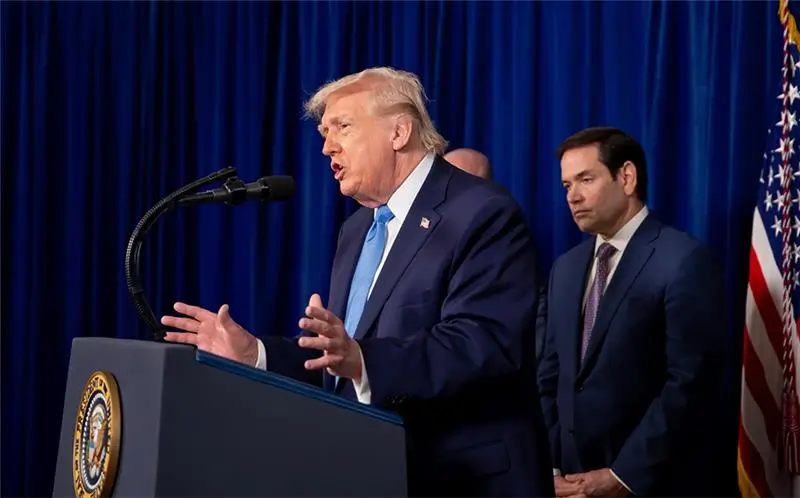
The detention of nicolas maduro has created uncertainty inside the country. Interim authorities face the challenge of maintaining internal stability while navigating intense external pressure. Public opinion remains divided, with some citizens hopeful for economic reopening and others wary of foreign interference.
This internal divide complicates negotiations. Any agreement perceived as imposed from outside risks domestic backlash, regardless of its economic merits. Without broad internal consensus, even well-structured energy deals may struggle to hold.
Observers note that Venezuela’s political transition is unfolding under extraordinary circumstances, with oil negotiations occurring before a clear internal roadmap has been established.
Outside Venezuela, the response has been careful rather than dramatic. Oil markets moved, but not wildly. Prices shifted as traders tried to read the situation, balancing the idea of more Venezuelan supply against the reality that the country’s oil industry has been weakened for years. Even if exports increase, most experts agree it would not happen quickly. Aging facilities, damaged pipelines, and years of underinvestment cannot be fixed overnight.
Diplomatic reactions have been louder than market ones. China and Russia were quick to criticise Washington’s approach, calling it excessive and warning that tying political change to control over resources sets a dangerous example. Their concern is shared by several Latin American governments, which have urged restraint and argued that regional issues should be resolved without external pressure dictating outcomes.
Europe’s position is less clear-cut. Some countries are quietly interested in new energy options, especially at a time when supply security matters more than ever. Others are uneasy about supporting moves that could increase global tension. For now, most European leaders appear content to observe rather than intervene.
Although oil sits at the centre of the story, the implications go well beyond shipments and sales. This moment underlines how deeply energy is tied to power. Who controls access, who finances development, and who sets long-term terms often matters more than how many barrels are produced in the short term.
For the United States, success would mean more than opening the door to venezuela oil. It would also mean reducing the influence of rival powers in a region Washington has long viewed as strategically sensitive. For Venezuela, the picture is more complicated. Economic recovery, political credibility, and the ability to make decisions without constant outside pressure are all on the line.
This is where the risk lies. Energy agreements can help stabilise a struggling economy, but they can also lock a country into relationships that shape its future in ways that are hard to reverse.
The next few months are likely to be decisive. Venezuela’s interim leadership faces a difficult choice: accept the conditions being offered and gain short-term relief, or push for a more balanced deal and risk continued isolation. Neither path is without cost.
Washington’s approach will matter just as much. How firmly demands are enforced and how much room is left for negotiation - will determine whether this situation leads to a lasting shift or simply adds another chapter to a long history of tension.
One thing is already clear. Oil has once again placed Venezuela at the centre of global attention. Not just as a resource to be sold, but as a source of leverage in a world where power is increasingly contested. The decisions made now will shape Venezuela’s future and influence how energy politics unfold far beyond its borders.
The United Indian looks beyond headlines to explain how power, resources, and diplomacy interact to shape global events.
Everything you need to know
Because markets don’t move on headlines alone. Traders know that even if Venezuela wants to increase supply, years of damage to its oil infrastructure mean changes would be slow. So instead of panic, there was hesitation.
Both countries have invested heavily in Venezuela over the years. The current pressure threatens their influence there, so their criticism is as much about protecting long-term interests as it is about political principles.
Europe is divided. Some governments are open to new energy options, while others are uncomfortable supporting aggressive power plays. For now, many are choosing to watch rather than act.
Oil is the centrepiece, but the issue goes deeper. It’s about who gets influence, who sets conditions, and how smaller nations navigate pressure from larger powers during moments of instability.
Venezuela is at a crossroads. Decisions made now could bring economic relief or long-term dependence. The challenge is finding a path that helps recovery without sacrificing control over the country’s direction.


Oct 17, 2026
TUI Staff
Oct 17, 2026
TUI Staff
Oct 15, 2026
TUI Staff
Oct 17, 2026
TUI Staff
Oct 17, 2026
TUI Staff
Oct 15, 2026
TUI Staff
Oct 15, 2026
TUI Staff

Stay informed with independent, fact-checked journalism on technology, environment, government, economy and more. India’s most trusted digital news platform.


Comments (0)
Be the first to comment!