
US
Sat, Jan 17, 2026 | 07:05 AM IST

The United Indian

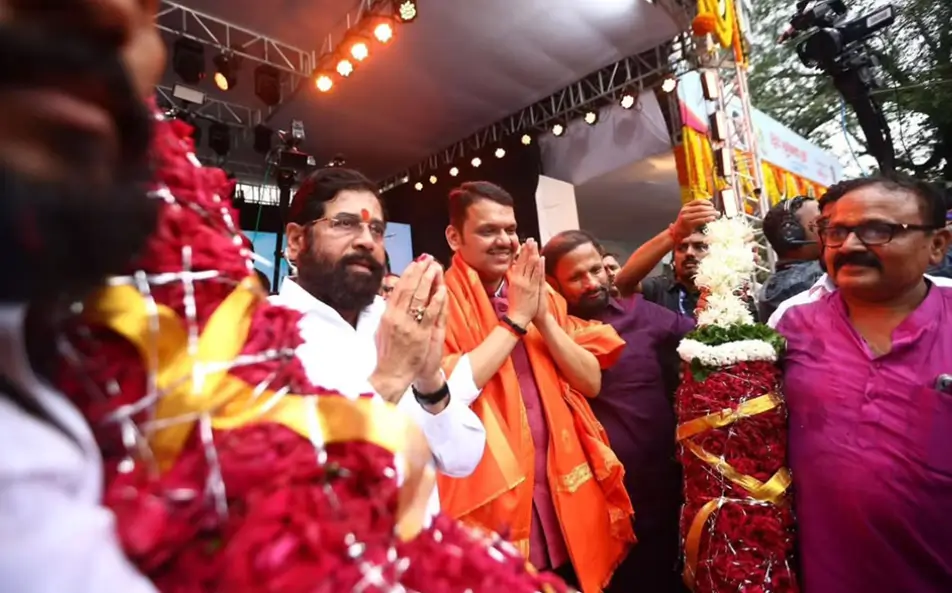
Mumbai’s political map has changed, and not quietly. For the first time, the Bharatiya Janata Party has managed to take control of the city’s civic power structure, marking a moment that many once considered improbable. The phrase “triple-engine sarkar mumkeen hai” moved from slogan to statement, at least on paper. Yet the numbers also tell a more complicated story control does not automatically mean comfort.
While the BJP has emerged as the single largest force in the city’s civic landscape, it still falls short of a clear majority. That gap makes alliances unavoidable and negotiation central to the next phase of governance. The spotlight, inevitably, shifts to its partners and how stable this new arrangement will prove to be in practice.
Mumbai has long resisted straightforward political dominance. Its civic politics are shaped by neighbourhood loyalties, legacy networks, and a deep awareness of local performance. Even when national trends lean heavily in one direction, the city often responds on its own terms.
This time, however, the outcome carries symbolic weight. Control of the country’s financial capital brings visibility, influence, and administrative leverage. It also places responsibility firmly on those who sought the mandate. Voters may have allowed a new configuration to emerge, but expectations remain uncompromisingly high.
Topping the table is a milestone for the BJP, particularly in Mumbai, where it has spent years quietly expanding its presence, ward by ward. But the celebration stops short of absolute control. The lack of a clear majority means the party cannot go it alone.
That gap makes allies indispensable. The Shinde-led Sena faction now becomes central to any workable arrangement inside the civic body. This is hardly unusual in Maharashtra, where elections are often decided less by mandates and more by post-result negotiations.
The dependence cuts both ways. Power-sharing can help keep the system stable, but it also brings friction. When partners have different priorities, governance tends to move slower and compromises become unavoidable.
The idea of aligned governance at the Centre, state, and civic levels has been promoted as a pathway to faster development and administrative efficiency. In Mumbai, this alignment now exists in theory. In practice, the city’s scale and complexity will test how smoothly that alignment functions.
Mumbai’s civic system is grappling with problems that go far beyond political coordination -crumbling infrastructure, climate pressures, a chronic housing crunch, and public services stretched thin. Even if the politics fall into place and funds or clearances come through, the real test will lie in whether anything actually gets delivered on the ground.
The election outcome suggests that Mumbai’s electorate was open to change but unwilling to hand over unchecked authority. Several wards produced close contests, reflecting dissatisfaction with stalled civic projects and uneven service delivery.
Residents spoke less about ideology and more about accountability during the campaign. Issues such as road quality, drainage, redevelopment delays, and healthcare access dominated conversations. The results mirror that mood: permission to govern, not permission to relax.
The BMC elections demonstrated that local performance still shapes outcomes, even when broader political narratives are in play.
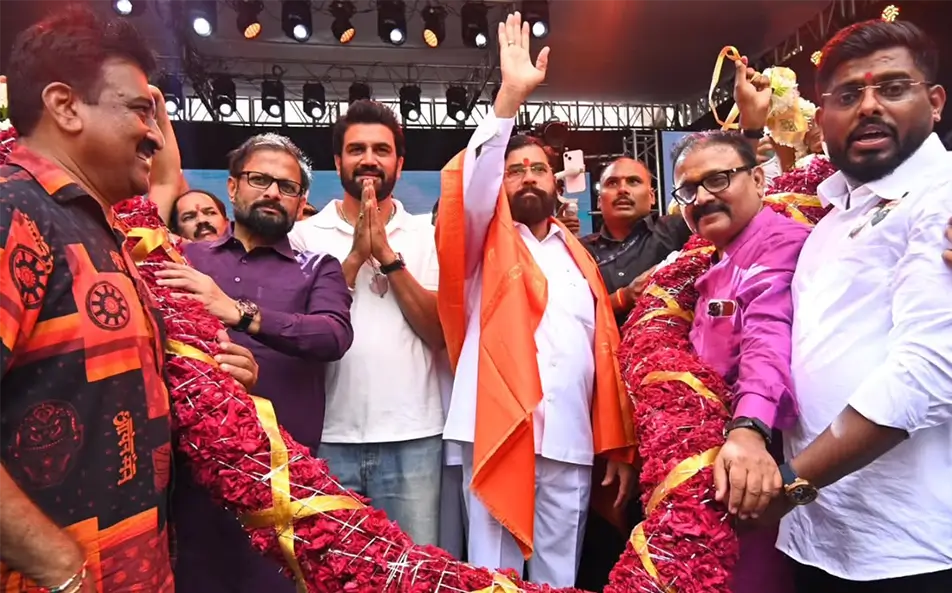
For opposition parties, the result is a moment of reckoning. Mumbai was once considered a stronghold where civic loyalty translated into predictable outcomes. That certainty no longer exists.
Organisational fatigue, leadership transitions, and changing voter expectations have altered the landscape. While opposition voices remain relevant in several wards, their inability to consolidate momentum citywide has cost them influence.
The BMC election results 2026 underline the risks of assuming continuity in a city that is constantly evolving.
Winning control is only the beginning. The next civic term will be judged on speed, coordination, and visible improvement. Mumbai does not reward symbolic victories; it demands functional outcomes.
Monsoon preparedness will arrive early as a test. Infrastructure projects already in progress will require continuity. Public transport integration, coastal development, and waste management remain unresolved pressure points.
With multiple stakeholders involved, maintaining coherence in decision-making will be critical. Any sign of internal friction will be noticed quickly by a public that is both vocal and impatient.
What happens in Mumbai rarely stays confined to the city. This result adds weight to the BJP’s argument that its urban footprint is growing steadily, even if that growth comes through hard bargaining rather than sweeping mandates.
It also once again shows how Maharashtra politics now runs on alliances. Clear victories are rare, and power is increasingly stitched together after the results. The prominence of the Eknath Shinde-led Shiv Sena in this equation reflects a deeper churn in state politics - one that is steadily reshaping how influence is exercised across institutions, not just in elected houses.
Mumbai will not pause to absorb political change. Its daily pressures continue regardless of who holds office. The new civic leadership steps into a system that demands immediate attention and long-term planning at the same time.
Whether this arrangement delivers stability or strain will depend on how effectively partners manage differences and align priorities. The city’s residents will be watching outcomes, not alliances.
This moment marks a shift but its legacy will be written in roads repaired, services delivered, and crises managed.
The United Indian tracks political and civic developments that shape India’s cities and institutions. Our focus remains on grounded reporting, context-driven analysis, and accountability in public life.
Everything you need to know
Yes and no. BJP emerged as the largest party, which is a big political moment. But running the civic body needs majority support, so alliances still matter just as much as seat counts.
Because numbers decide power. The Shinde group doesn’t have the biggest tally, but it has enough seats to tip the balance that gives it bargaining power in forming the administration.
Not immediately. Roads won’t fix themselves overnight. But who controls the BMC affects future decisions on infrastructure, healthcare, and monsoon planning that’s where the real impact will show.
There are no guarantees in coalition politics. Stability will depend on how smoothly partners share power, committees, and credit for decisions over the next few months.
Keep an eye on committee formations and budget decisions. That’s where real authority lies, far more than symbolic posts or victory speeches.
#weareunited
We respect your privacy. Unsubscribe at any time. Privacy Policy
Jan 17, 2026
TUI Staff
Jan 16, 2026
TUI Staff
Jan 16, 2026
TUI Staff
Stay Tuned with The United Indian!
Our news blog is dedicated to sharing valuable and pertinent content for Indian citizens. Our blog news covering a wide range of categories including technology, environment, government & economy ensures that you stay informed about the topics that matter most. Follow The United Indian to never miss out on the latest trending news in India.




Comments (0)
Be the first to comment!