
BMC Election Result 2026: Who Won Mumbai’s Civic Battle and What the Verdict Really Means
Mumbai Decides Power
 IN
Sat, Oct 24, 2026 | 08:20 AM IST
IN
Sat, Oct 24, 2026 | 08:20 AM IST

Counting for the Brihanmumbai Municipal Corporation elections stretched late into the night, with ward-level results trickling in slowly. By the time the picture became clear, one thing stood out: the BJP had emerged as the single largest party in the civic body, winning 89 seats.
For a city used to fragmented mandates and shifting alliances, the outcome was significant, though not absolute. The numbers did not deliver full control, but they were strong enough to reset political equations within Mumbai’s most powerful local institution.
This bmc election result 2026 will likely be remembered less for dramatic swings and more for what it quietly confirmed-urban voters are changing how they evaluate civic leadership.
Counting began early in the morning under heavy security, with party workers camping outside counting centres. Initial leads were fragmented, with no party pulling away decisively in the first few rounds.
By mid-day, however, patterns began to settle. BJP candidates started converting narrow leads into confirmed wins across key wards, especially in the western suburbs and parts of central Mumbai.
By evening, the picture was unmistakable.
While the official notification listed ward-wise winners late in the night, the broad outcome was clear:
This performance puts the BJP within striking distance of controlling the civic body, either independently or through post-poll support.
The Brihanmumbai Municipal Corporation is not just another local body. It controls a budget larger than several Indian states and oversees critical services - roads, water supply, healthcare infrastructure, flood control, and public transport integration.
That is why every bmc election result is watched closely, not just by politicians but also by investors, real estate developers, and civil society groups.
The 2026 contest was especially significant after years of political realignments in Maharashtra.
Political analysts point to several reasons behind the party’s strong showing:
The party also benefited from voter fatigue with prolonged political instability at the state level, with many voters opting for a “clear mandate” at the municipal level.
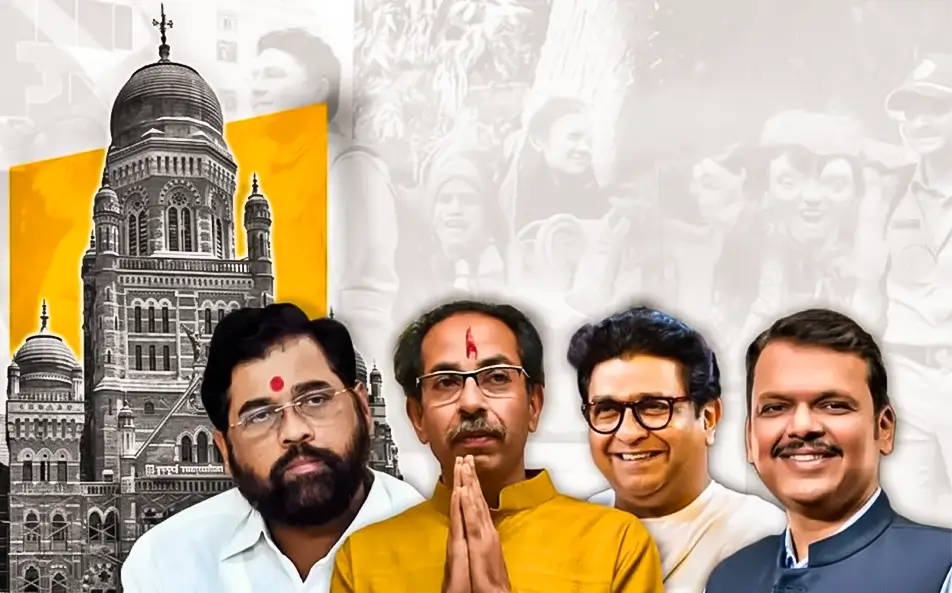
With the BJP emerging as the frontrunner, attention now shifts to governance priorities.
Urban infrastructure, monsoon preparedness, road quality, and housing approvals are expected to dominate the new administration’s agenda. Senior party leaders have already indicated that Mumbai will be positioned as a “model city” for urban governance ahead of future state and national elections.
The official BMC election 2026 winner list also shows a generational shift, with several first-time corporators entering the house.
For opposition parties, the result is sobering but not disastrous. While they failed to stop the BJP from leading, they retained pockets of influence in traditional strongholds.
Senior leaders admitted that vote division hurt their chances, with multiple candidates cutting into each other’s base in closely contested wards.
Internal reviews are already underway, especially with larger political battles looming in Maharashtra.
Turnout remained moderate, reflecting typical civic election patterns in Mumbai. However, exit interviews suggested a sharper voter focus on practical issues - drainage, traffic congestion, local hospitals rather than party symbolism.
Many voters described their choice as “pragmatic” rather than emotional.
The immediate next step is the formal election of the mayor and standing committee members. Coalition talks, if any, are expected to conclude quickly, given the clear arithmetic.
For residents, the real test begins now - whether campaign promises translate into visible civic improvements.
Beyond Mumbai, the outcome sends a message across urban India. Municipal elections are increasingly becoming indicators of middle-class sentiment, governance expectations, and political momentum.
The bmc election result 2026 will likely be cited repeatedly in upcoming state and national debates.
Mumbai’s civic elections shape everyday life for over two crore residents. Understanding who won -and why helps citizens track accountability beyond headline politics.
Everything you need to know
Because the Brihanmumbai Municipal Corporation controls decisions that affect daily life in the city - roads, flooding, housing, health services. Whoever runs it shapes how Mumbai works, not just how it looks on paper.
Not entirely. While trends were visible during campaigning, civic elections often throw surprises. Many party workers themselves waited through several counting rounds before feeling confident about the outcome.
In most wards, voters focused on the individual candidate. Visibility, responsiveness, and handling of local issues mattered more than larger political messaging, especially in closely fought areas.
It doesn’t decide state elections, but it does influence momentum. Strong civic performances often strengthen party organisation and confidence, while losses force introspection and strategy resets.
After celebrations fade, governance begins. Residents will watch closely how quickly promises turn into action especially on roads, flooding, waste management, and redevelopment projects.


Oct 23, 2026
TUI Staff
Oct 23, 2026
TUI Staff
Oct 22, 2026
TUI Staff
Oct 22, 2026
TUI Staff
Oct 23, 2026
TUI Staff
Oct 23, 2026
TUI Staff
Oct 22, 2026
TUI Staff
Oct 22, 2026
TUI Staff

Stay informed with independent, fact-checked journalism on technology, environment, government, economy and more. India’s most trusted digital news platform.


Comments (0)
Be the first to comment!